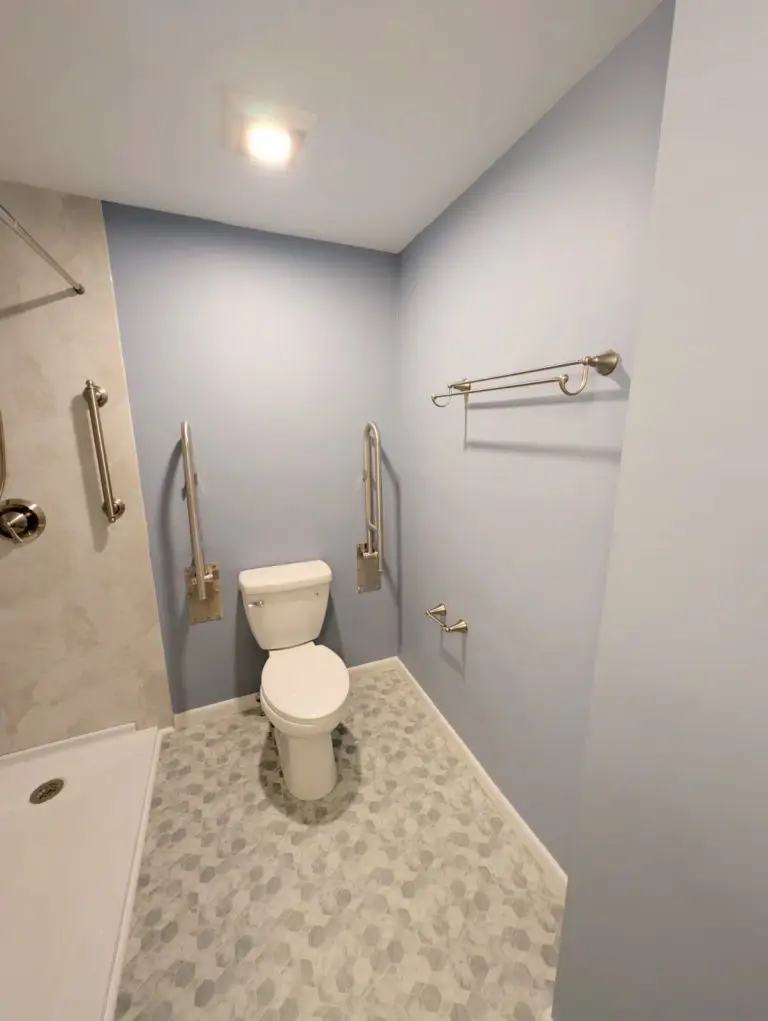
If your bathroom smells like urine, you’re not alone. In fact, this is a common problem that many homeowners face. The good news is that there are ways to diagnose and fix the issue.
In this blog post, we will discuss the causes for bathroom smell, how to prevent it, and what you can use to clean or fix the problem. We hope this guide helps you solve your bathroom smell dilemma!
What causes my bathroom to smell like urine?

There is actually more than one reason why your bathroom will smell like urine.
The smell of urine in your bathroom could be from a leaky seal in your toilet, poor hygiene, or bacteria build-up.
Let’s take a closer look at each of these causes:
Leaky Seal in the Toilet
If your bathroom smells like urine, it could be because of a leaky seal in your toilet. A leaking seal can cause water to seep out and create a wet environment, which will then attract bacteria. The leak in the seal itself was most likely caused by mineral deposits, which is a common problem in hard water areas. Another reason might be improper installation by the installer (that’s not you, is it?).
Poor Hygiene
If you don’t clean your bathroom regularly, it can lead to poor hygiene and a urine smell. When dirt, dust, and other debris accumulate, it will create the perfect environment for bacteria to grow. And as we all know, bacteria love to feast on organic matter like urine.
Now, I was giving you the benefit of the doubt and blaming the cause of the smell on dirt and other little particles making their way into your home. But let’s be honest, a lot of times the culprit is that energetic child of yours who just can’t seem to hit the water. Don’t be too hard on him, it happens. Naturally, over time, this mishap will build upon the back of the toilet seat or even around the base of the floor. Heck, I’ve even seen some misfires hit the wall from little ones.
How Do Uncleaned Grout Lines Affect Bathroom Smell?
Grout lines, the spaces between your tiles, often become hotspots for dirt accumulation. They readily trap grime, moisture, and even urine, which can significantly contribute to an unpleasant bathroom odor if not properly maintained.
The Hidden Culprit:
- Embedded Dirt and Grime: These narrow slots don’t get attention during typical cleaning routines. Over time, the build-up of debris in these areas can emit smells that linger long after the bathroom appears clean on the surface.
- Urine Absorption: Grout is porous by nature, making it vulnerable to absorbing liquids. Unnoticed urine splashes can seep in, leading to strong, persistent odors.
Effective Solutions:
- Deep Cleaning: Use a stiff brush, such as a grout brush or old toothbrush, paired with a solution of water and vinegar. The vinegar’s mild acidity helps dissolve trapped dirt and neutralize odors.
- Grout Sealing: After cleaning, apply a grout sealer. This protective layer helps prevent further absorption of moisture and urine, making future maintenance much easier.
By regularly attending to grout lines, you can maintain a cleaner and fresher-smelling bathroom environment.
Bacteria in the Water
Bacteria love to live in wet, dark environments- and your bathroom is the perfect place for them. The bathroom is full of places where water can accumulate, such as in the shower, around the toilet, or even under the sink. These are all ideal breeding grounds for bacteria. When these bacteria multiply, they release a gas that smells like urine.
How Do Unsanitary Bathmats Contribute to Bathroom Odors?
Unsanitary bathmats can be a hidden source of unpleasant bathroom odors. When bathmats aren’t cleaned regularly, they can accumulate moisture and urine. This damp environment is perfect for bacteria and mold growth, which are common culprits of lingering bad smells.
Key Contributors to Odor from Bathmats:
- Moisture Retention: Bathmats soak up excess water, serving as breeding grounds for mold and mildew when not thoroughly dried.
- Absorption of Urine: Bathmats can inadvertently absorb urine, which contributes to foul smells over time.
- Neglected Cleaning: A lack of regular washing means that dirt, body oils, and other contaminants continuously build up, exacerbating any odors.
Preventative Measures
To maintain freshness and hygiene, ensure your bathmats are cleaned routinely. Here’s how you can keep them odor-free:
- Frequent Laundering: Wash bathmats in the washing machine every one to two weeks, adhering to the care labels.
- Spot Cleaning: For non-machine washable bathmats, regularly spot clean using mild detergent and ensure they dry completely.
- Airing Out: Allow mats to air dry thoroughly after each use to prevent moisture buildup.
By keeping bathmats clean and dry, you can significantly reduce the potential for them to contribute to unwanted bathroom odors.
How Can Dirty Shower Curtains Contribute to Bathroom Odors?
Dirty shower curtains are a common yet often overlooked source of unpleasant bathroom smells. Over time, these curtains accumulate soap scum and moisture, creating a perfect environment for bacteria and mildew to thrive. This can result in an unpleasant, musty odor that permeates the bathroom.
To combat this, it’s essential to maintain the cleanliness of your shower curtains. Here’s how:
- Regular Cleaning: Aim to wash or replace the shower curtain frequently. Most types, whether fabric or plastic, can be cleaned in a washing machine. Use a gentle detergent and add a few towels to assist in scrubbing off the mildew and soap residue.
- Hand Cleaning Alternative: If your shower curtain isn’t suitable for machine washing, manually clean it with a scrub brush and a vinegar-water solution. This natural mixture works well to eliminate mold and soap scum.
- Moisture Management: After every shower, use a squeegee to remove excess water from the walls. This helps reduce the moisture level, preventing the rapid buildup of soap scum and thereby controlling odors.
By incorporating these simple cleaning practices, you can significantly reduce the possibility of odors caused by dirty shower curtains in your bathroom.
How to diagnose the problem and fix it

Now that we know what the possible reasons are for that foul urine smell in your bathroom, let’s talk about diagnosing which one is the issue and how we can fix it.
Let’s start with the leaky seal. If you think this might be the issue, the best way to test it is to add a few drops of food coloring or dye into the toilet tank. If the water in the bowl changes color, then you have a leaky seal and will need to get it fixed. Furthermore, if you put the coloring in the bowl first, you should certainly be able to tell if you have a leak coming from underneath the toilet base.
To fix a leaky seal on your toilet, you will need to replace the wax ring. This is a simple process that you can do yourself, or you can hire a professional to do it for you.
Once you’ve replaced the wax ring, check to see if the bathroom smell is gone. If not, then it’s time to look at poor hygiene and bacteria build-up as the culprit.
As for the poor hygiene, this one is easy. Just look around the toilet, specifically under the seat for any urine stains that could not have gotten there any other way! To fix this, the clear method is to clean it with a bathroom cleaner and a scrub brush. Then, it’s time to have a talk with the boys in the house.
Regarding the bacteria in your water, I would have a professional check it out. Who knows what is going on further down your pipes! It could be the signs of a larger problem. And in that case, it’s not something I would recommend fixing on your own.
Prevention tips to keep your bathroom smelling fresh

Now that we know how to diagnose the problem, let’s talk about ways of preventing it from happening in the first place.
The best way to prevent a urine-like bathroom smell is through good hygiene habits (obviously). This means cleaning your bathroom regularly with a disinfectant cleaner. In addition, make sure to give the toilet a good scrubbing every once in a while, especially under the seat and around the base. And by once in a while, I actually mean to do it every week or two. If you can do it sooner, then great!
Another good way to prevent a bathroom smell is to ventilate the space. This can be done by opening a window or running an exhaust fan during and after showers. This will help to remove any moisture that could lead to bacteria growth.
The Best Way to Clean Grout Lines and Prevent Odors
- Gather Your Tools
Use a dedicated grout brush or repurpose an old toothbrush for this task. A brush with stiff bristles works best to scrub away dirt and grime effectively. - Mix a Cleaning Solution
Create a solution using equal parts water and white vinegar. The gentle acidity of vinegar helps dissolve stains and neutralize odors without the harshness of chemical cleaners. - Scrub the Grout
Dip your brush into the vinegar mixture and thoroughly scrub the grout lines. Focus on areas that appear grimy or discolored to ensure all debris and odor-causing residues are removed. - Rinse Thoroughly
After scrubbing, rinse the grout lines with clean water. This step is essential to wash away any remaining vinegar and loosened dirt. - Apply a Grout Sealer
Consider applying a quality grout sealer once the area is completely dry. A sealer forms a protective layer that prevents liquids, including urine, from penetrating the grout. This makes future cleanings more manageable and helps maintain odor-free grout. - Regular Maintenance
To keep grout looking fresh and odorless, integrate this cleaning process into your regular cleaning routine. Regular attention will minimize build-up and prolong the life and appearance of your grout.
By following these steps, your grout lines will remain clean, protected, and free from unpleasant odors.
Best Practices for Keeping Bathmats Clean
Maintaining bathmat cleanliness is essential for a fresh and inviting bathroom. Follow these easy steps to ensure your bathmats remain in pristine condition:
- Regular Cleaning Schedule: Aim to wash your bathmats every one to two weeks. This helps prevent the build-up of dirt and bacteria that can lead to unpleasant odors.
- Machine Washable Mats: If your bathmat is machine washable, simply consult the care instructions on the label. Most can be laundered with your regular load; use a gentle detergent and tumble dry on low or let them air dry.
- Non-Machine Washable Mats: For bathmats that aren’t safe for the machine, opt for spot cleaning or hand washing. Use a mild detergent and thoroughly rinse the mat, ensuring all soap residue is gone. Air dry completely to prevent mold and mildew growth.
- Quick Tips for Freshness:
- Shake Out Regularly: Give your bathmat a good shake between washes to remove excess moisture and debris.
- Keep it Dry: After each use, lift the bathmat to air it out. This helps reduce moisture-related issues.
By incorporating these habits, you’ll maintain a cleaner bathroom environment and extend the life of your bathmats.
Effective Ways to Clean Shower Curtains
Maintaining clean shower curtains can prevent mildew and soap scum buildup, keeping your bathroom fresh and hygienic. Here’s how to keep them spotless:
- Machine Washing:
Most fabric and plastic shower curtains can be machine washed. Always check the care label for specific instructions. Use a gentle detergent, and include some towels in the wash to act as scrubbers. This combination will help remove mildew and soap scum effectively. - Hand Cleaning:
If the curtain isn’t machine washable, you can clean it manually. Prepare a cleaning solution by mixing water and vinegar. Use a scrub brush to gently scrub the curtain, focusing on any visible mold or stains. - Daily Maintenance with a Squeegee:
To reduce moisture on shower walls, use a squeegee after every shower. This simple daily habit helps prevent soap scum buildup, extending the cleanliness of your shower curtain.
By regularly cleaning and maintaining your shower curtain, you can keep your bathroom looking its best while avoiding the buildup of grime and mold.
Finally, you can also install an air freshener in your bathroom to mask any unpleasant odors. This is a great option if you have guests over often or if you just want your bathroom to smell nice and fresh.
Urine odor removal products and methods

Now that we know how to prevent a bathroom smell, let’s talk about some products and methods for removing urine odor.
If your bathroom smells like urine, the best way to get rid of the smell is by using an enzyme cleaner. Enzyme cleaners work by breaking down the organic matter (like bacteria) that is causing the smell. You can find these cleaners at most stores that sell cleaning supplies.
In addition to enzyme cleaners, you can also use white vinegar to remove urine odor. Simply mix equal parts of water and vinegar in a spray bottle and spritz it on any areas that smell like urine. Then, let it sit for a few minutes before wiping it away.
Another popular urine odor removal method is using baking soda. To do this, sprinkle a thick layer of baking soda over the entire bathroom floor. Let it sit overnight, and then sweep or vacuum it up in the morning.
If you have stubborn urine stains that just won’t go away, you can use a commercial product like Mr. Clean’s Magic Eraser. Just wet the eraser, and then scrub the stains until they disappear.
Finally, if you’re looking for a long-term solution to your bathroom smell problem, you can have your pipes professionally cleaned. This is something that should be done every few years to prevent any build-up from occurring. Granted, this doesn’t tackle the hygiene issue but at least you know the insides of your waterworks are taken care of.
In Conclusion
So, there you have it! A comprehensive guide to why your bathroom smells like urine and how to fix the problem. I hope this has been helpful and that you are now on your way to a fresher-smelling bathroom. If you have any questions or comments, please contact a plumbing professional. Thanks for reading!