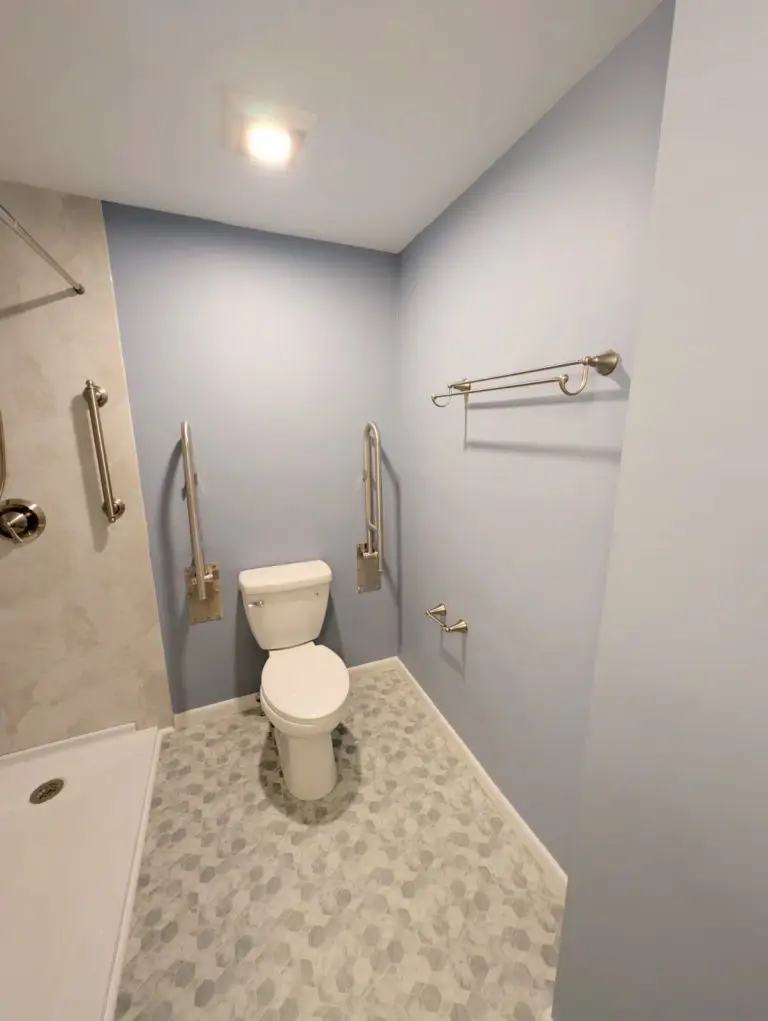
Walk-in tubs and shower conversions
Stepping over the high wall of a traditional bathtub can be a daily source of anxiety. But what if you could replace that fear with confidence and make your bathroom significantly safer in just a few days? Two of the most popular solutions are walk-in tubs and shower conversions, and choosing the right one depends entirely on your needs and lifestyle.
Summary
Choosing between a walk-in tub and a shower conversion hinges on whether you value long, therapeutic soaks or quick, convenient showers, as well as your budget and timeline. Walk-in tubs prioritize comfort and require features like fast drains and the right door design (with hydrotherapy as an optional upgrade), while shower conversions emphasize space and accessibility with low-threshold or barrier-free entries plus seats, handheld showerheads, and grab bars. Typical all-in costs are about $6,000 to $10,000 for a tub-to-shower conversion and $8,000 to $15,000 or more for walk-in tubs, with most projects taking two to five days and potential plumbing or electrical updates. Use the checklist questions and get multiple detailed quotes to confidently choose the safest, best-fit solution for aging in place.
The core difference between a walk-in tub vs a walk-in shower comes down to one simple preference: do you enjoy a long, therapeutic soak or prefer a quick, efficient wash? A walk-in tub is for someone who views bathing as a relaxing experience, though it requires time to fill and drain while you sit inside. A shower conversion prioritizes speed and convenience.
Practical matters like time and budget are also a major factor. Generally, the cost to convert a tub to a shower is less than installing a walk-in tub, and the installation is often completed in just two to five days. This often makes homeowners wonder, are walk-in tubs worth the money when a shower conversion can be simpler?
While their bathing experiences are very different, both options achieve the most important goal: they provide a much safer way to bathe than a standard tub. Understanding the key features of each will help you find the perfect fit for your home.

Are Walk-In Tubs Worth the Money? 3 Key Features to Demand
Answering if walk-in tubs are worth the money starts with understanding which features provide real value versus those that are just bells and whistles. Because you must wait for the tub to empty before opening the door, a fast-drain system is non-negotiable. Without one, you’ll be left shivering in rapidly cooling water, turning a relaxing bath into a chilly, frustrating wait. A quality drain that empties in under two minutes is a key feature that makes the entire experience comfortable and safe.
The tub’s door design also plays a major role in both safety and convenience. Inward-swinging doors are a practical choice and often found in the best walk-in tub for small bathrooms because they don’t block floor space. However, an outward-swinging door is widely considered safer, as it can be opened from the outside in an emergency. You’ll need to consider your bathroom’s layout and your personal safety needs to decide which is a better fit.
Finally, for those seeking relief from aches and pains, hydrotherapy jets are a popular upgrade. This feature turns your bath into a personal spa, with gentle streams of water and air that can soothe sore joints. While hydrotherapy tubs for arthritis can offer significant comfort, they do add to the initial cost and require more diligent walk-in tub maintenance and cleaning to keep the system running smoothly.
The Big Benefits of a Low-Threshold Shower Conversion
If long soaks aren’t your priority, a shower conversion offers a safer and more spacious alternative to a walk-in tub. This popular remodel replaces your bulky bathtub with an easy-access shower. Not only does this remove the hazard of a high tub wall, but the change can also make a small bathroom feel significantly larger and more open.
When designing your new shower, you’ll mainly hear two terms. A low-threshold shower has a very small curb that’s easy to step over, containing water while keeping access simple. For the highest level of mobility, a barrier-free design—also called a “curbless” shower—is completely flat with the floor, allowing a walker or wheelchair to roll right in.
To get the full safety benefit from your new shower, three accessories are essential. Make sure your tub to shower conversion process includes:
- A shower seat, either built-in or securely wall-mounted, to prevent fatigue.
- A handheld showerhead that lets you wash comfortably and safely while seated.
- Professionally installed grab bars for sturdy support when standing or moving.

What to Expect: The Real Cost and Timeline for Your Bathroom Remodel
Understanding the final price is a crucial step for any aging in place bathroom remodel. It’s best to think in terms of the “all-in” cost, which includes both the product and professional installation. The cost to convert tub to shower typically ranges from $6,000 to $10,000. Because the tub to shower conversion process for a walk-in model involves more complex work, its all-in cost is usually higher, often starting around $8,000 and going up to $15,000 or more.
Beyond the price, the installation timeline is a key concern. Most projects take between two and five days, and your bathroom will be a work zone and unusable during that time. This allows the crew to properly remove the old fixture, prepare the space, and perfectly install the new unit to prevent leaks, which is essential when learning how to install a walk-in tub correctly.
Finally, it’s wise to budget for potential surprises. Removing an old tub can reveal outdated plumbing, and tubs with jets or heated seats may require a new electrical circuit for safety. A good contractor will inspect for these possibilities and discuss them with you upfront, so there are no major shocks to your budget.
Your Action Plan: How to Confidently Choose the Right Option
You have the clarity to look past the brochures and choose a solution that truly fits your lifestyle, budget, and daily routine. To finalize your decision for improved bathroom safety for seniors, use this simple checklist.
Ask Yourself These 3 Questions:
- Is a long, warm soak essential for my comfort or pain relief?
- What is my realistic all-in budget for this project?
- How important is a fast, daily bathing routine to me?
With your priorities clear, your final step is simple: get at least three detailed quotes from reputable contractors. This is the most critical action you can take to begin your aging in place bathroom remodel. You aren’t just renovating a room; you’re investing in years of independence and peace of mind.
Frequently Asked Questions (FAQ)
1. What is the primary advantage of a walk-in tub over a traditional bathtub?
The primary advantage of a walk-in tub is safety. Walk-in tubs are designed with low thresholds and easy access, minimizing the risk of slipping or falling. They also offer features like grab bars and built-in seating for added safety and convenience.
2. How much does a walk-in tub typically cost?
The cost of a walk-in tub can vary significantly depending on the model and features, but most installations range from $8,000 to $15,000 or more. Including installation fees is essential when budgeting for this upgrade.
3. Can I convert my existing tub to a shower?
Yes, many homeowners opt for tub-to-shower conversions. This can not only create a more accessible bathing option but also make your bathroom feel larger. The cost of a tub-to-shower conversion typically ranges from $6,000 to $10,000.
4. How long does the installation process take?
Most tub-to-shower conversions or walk-in tub installations can be completed in two to five days, depending on the complexity of the project and any necessary plumbing or electrical updates.
5. Are hydrotherapy features worth the extra cost for a walk-in tub?
Hydrotherapy features can provide significant relief for those suffering from chronic pain or stiffness, making them valuable for many. However, it’s essential to consider the additional cost and maintenance requirements associated with these features.
6. What should I consider when choosing between a walk-in tub and a shower conversion?
Consider your lifestyle preferences, comfort needs, and budget. If you value relaxing baths, a walk-in tub may be ideal. However, if you prioritize ease of access and a quick bathing routine, a shower conversion may be the better choice.
7. Do I need to worry about plumbing or electrical issues during installation?
Yes, it’s wise to be prepared for potential plumbing or electrical updates. An experienced contractor will inspect these systems before starting work to ensure your installation goes smoothly.