Budget-Friendly Master Bathroom Ideas to Transform Your Space
When you imagine the cost to renovate a master bathroom, you probably picture shiny faucets and beautiful tile. But what if the biggest single expense is something you can’t even see? Industry data reveals that labor—the skilled work of plumbers, electricians, and tile setters—often consumes 40 to 60 percent of the total project cost. Recognizing this is the key to creating a realistic bathroom budget that gets you to the finish line without any stressful surprises. Use the following master bathroom ideas and bathroom renovation tips to plan smartly without sacrificing style.
Summary
For a master bathroom renovation, set a flexible budget range that accounts for labor (often 40–60% of total cost) and a 10–15% contingency to avoid unplanned surprises. Maximize small spaces with floating vanities, frameless glass, and large-format tile, and choose walk-in showers, soaking tubs, or wet rooms based on your lifestyle. Prioritize durable, low-maintenance materials (FIBO or Onyx panels, porcelain or LVT flooring, quartz counters), layered lighting, and smart built-in storage to achieve a cohesive spa or modern farmhouse look. Save on standardized items and prefabricated cabinetry, and splurge on daily-touch fixtures, professional tile work, and comfort upgrades like radiant heat. These bathroom renovation tips support elegant bathroom decor through thoughtful bathroom color schemes, tile ideas for master bathroom surfaces, and master bathroom cabinet ideas inspired by luxury bathroom designs.
The first step in planning a bathroom remodel is to abandon the idea of a single, rigid number and instead establish a budget range. This gives you some flexibility to stretch. While every project varies, a typical cost breakdown looks something like this:

- Labor: 40-60%
- Fixtures (tub, toilet, vanity): 15-25%
- Finishes (tile, paint, hardware): 15-25%
- Contingency Fund: 10-15%
That last item is your project’s most valuable player. A contingency fund is simply a safety net, typically 10-15% of your total budget, set aside for the unknowns you might find behind the walls and flooring, like outdated plumbing or hidden water damage. It’s the essential tool that turns a potentially stressful project into a smooth and successful one.
Making a Small Primary Bath Feel Twice as Big
If your primary bathroom feels more like a closet than a retreat, you don’t have to knock down walls to make it feel larger: one of the most effective strategies is to lift fixtures off the ground. Consider a floating vanity, which is a cabinet mounted directly to the wall. Because it has no legs, your eye can follow the flooring all the way to the wall underneath it. This simple trick creates an unbroken line of sight that instantly makes the room feel more open and easier to clean, because who doesn’t love that?
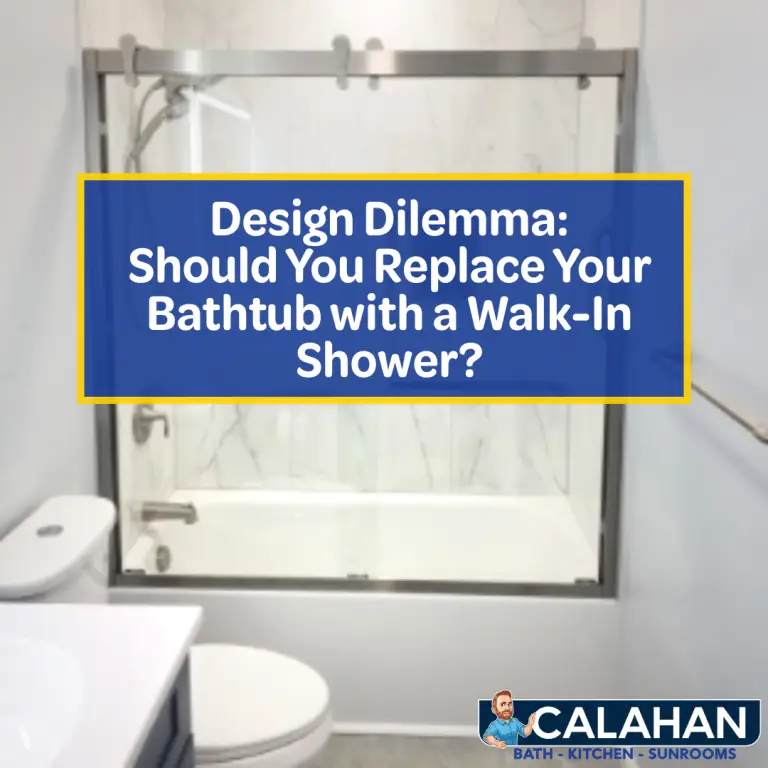
Beyond clearing the floor, you can also eliminate visual barriers. An opaque shower curtain or a heavy, framed glass door effectively cuts your bathroom in half. Switching to a frameless glass door or glass panel changes everything. With no metal frame to distract the eye, the glass becomes nearly invisible. This allows light to pass through freely and extends your view into the shower area, making the entire bathroom feel like one continuous open space.
Finally, what you put on the walls and floor can either shrink or expand your room. While it might seem counterintuitive, using large-format tiles—think big squares or planks—can make a small bathroom feel much bigger. The secret is in the grout. Fewer, larger tiles mean far fewer grout lines, which reduces visual clutter and creates a clean, calm surface. These three elements work together to trick the eye, turning a cramped layout into an airy and sophisticated oasis. But creating that open feel often brings up a big question: what’s the best use of that space? This leads us to the great debate: a walk-in shower or a soaking tub? The same principles inform big master bathroom ideas and large master bathroom ideas, where clear sightlines and uninterrupted planes elevate elegant bathroom decor without adding clutter.

The Great Debate: Walk-In Shower vs. Soaking Tub?
Deciding between a luxurious walk-in shower and a deep soaking tub often comes down to your daily routine more than just style. Be honest: are you a person who takes quick, energizing showers, or do you treasure a long, quiet soak? While real estate experts often advise having at least one bathtub in the house for resale value, your primary bathroom should serve your lifestyle first. A huge tub that only collects dust is a waste of valuable space, while a shower-only setup might leave you longing for a relaxing escape.
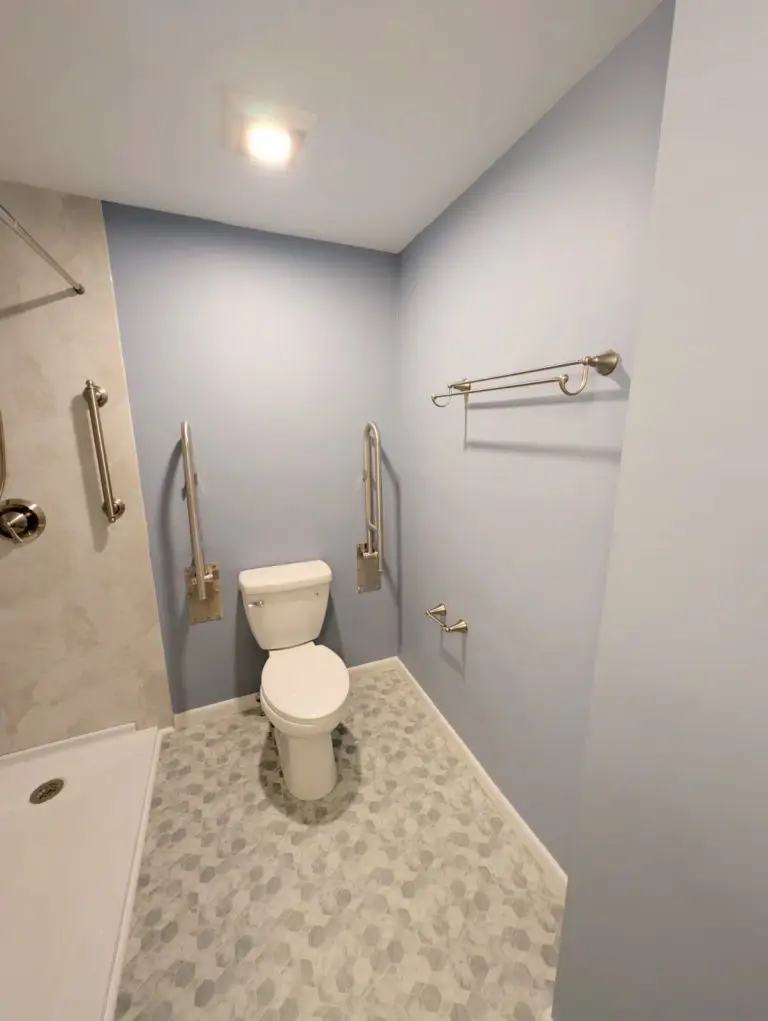
For many homeowners, a spacious walk-in shower offers the best of modern luxury and practicality. Expanding on the open-concept feel we discussed, you can take this a step further with a curbless shower. This design eliminates the traditional step-over threshold, allowing your bathroom flooring to flow seamlessly right into the shower. Not only does this create a clean, spa-like aesthetic, but it’s also a fantastic feature for accessibility, making the space safer and easier to use for everyone. Your Bathroom remodeler can review master bathroom floor plan ideas with you to confirm clearances, drainage slopes, and storage zones that support spa-like bathrooms and luxury bathroom designs.
If a long, relaxing soak is non-negotiable, a freestanding tub can act as a stunning sculptural centerpiece. Unlike tubs built into an alcove, these statement pieces command attention and signal pure indulgence. The key to getting it right is placement. A freestanding tub looks best when it isn’t cramped, so be sure to give it “breathing room”—at least 6 to 12 inches of space from any walls. This ensures it looks intentional and makes cleaning behind it much easier.
For those who refuse to choose, a sophisticated solution merges both concepts: the wet room. In this design, the entire bathroom floor and walls are waterproofed, creating an ultra-open space where the shower and often the freestanding tub coexist without enclosures. It’s the ultimate in high-end, seamless design, but this is one area where you absolutely need a professional. Improper installation can lead to major water damage. With your main bathing feature settled, your focus can shift to the hub of your morning routine.

How to Choose the Right Vanity for Your Morning Routine
If your morning routine feels more like a frantic dance than a peaceful ritual, your vanity is often the culprit. The most sought-after solution for couples is a double vanity, which provides two separate sinks and personal zones. Before you commit, grab a tape measure. For a double vanity to feel comfortable and not cramped, you’ll need at least 60 inches (five feet) of wall space. If you have less, don’t despair; a single-sink vanity with generous counter space on either side can feel far more luxurious and practical than two sinks with no room to set anything down on.
When it comes to storage, what’s inside the vanity matters just as much as its size. Most standard vanities come with large, open cabinets, which quickly become a jumbled mess of half-empty bottles. For a major upgrade in functionality, look for a vanity with deep drawers instead of doors, or purchase accessories that roll in and out of the vanity when the doors swing open. This simple change is revolutionary. Rather than kneeling to search the dark recesses of a cabinet, you can pull a drawer out and see everything you own at a glance, making your daily routine significantly smoother.
For tight spaces, the floating vanity mentioned earlier remains an excellent choice. By mounting the cabinet directly to the wall, it creates an illusion of a larger, airier room and makes cleaning a breeze. With your floor on full display, picking the perfect tile is the next crucial step in crafting your bathroom’s foundation. As you compare master bathroom cabinet ideas, balance drawer configurations with counter space so your storage supports your routine.

A Beginner’s Guide to Selecting Bathroom Tiles
With your floor on full display, choosing the right tile is the foundation of your bathroom’s entire look and feel. If you’re gathering tile ideas for master bathroom walls and floors, the first big decision is often between porcelain and ceramic. While they can look identical, their internal makeup is different. Think of porcelain as the heavy-duty option; it’s fired at higher temperatures, making it denser, more durable, and more water-resistant. This makes it the ideal choice for high-traffic, wet bathroom floors. Ceramic, on the other hand, is a bit softer and often more budget-friendly, making it a fantastic and stylish option for walls and backsplashes.

After settling on a material, you’ll face the question of size. It might seem logical to use small tiles in a small bathroom, but designers often recommend the opposite. Large-format tiles—like 12×24 inches or even bigger—can actually make a compact room feel more spacious and serene. The magic lies in the grout lines. Fewer lines mean less visual clutter, which tricks your eye into seeing one large, continuous surface instead of a busy grid.
To enhance that spacious effect, pay close attention to your grout color. This small detail has a massive impact on the final look. For a clean and expansive feel, choose a grout that closely matches your tile color. This helps the grout lines visually disappear, furthering the illusion of an unbroken surface that’s also easier to keep looking clean. A contrasting grout color creates a bold pattern, which can be a great design statement but often makes a space feel more constricted.
What Is the Best Flooring for a Bathroom?
While tile is a timeless choice, it’s not the only great option for a wet environment. When it comes to durability and water resistance, a few key players stand out. Here are the top three flooring materials that designers consistently recommend for master bathrooms:
- Porcelain Tile (The Workhorse): As we covered, its density makes it nearly waterproof and tough enough to last for decades.
- Luxury Vinyl Tile (The Chameleon): A modern, high-tech version of vinyl that is 100% waterproof and can convincingly mimic wood or stone.
- Natural Stone (The Splurge): Materials like marble or travertine offer unmatched organic beauty but require sealing and more maintenance.
Beyond the world of tile, Luxury Vinyl Tile (often called LVT or LVP for planks) has become a game-changer for bathroom floors. Forget the flimsy sheet vinyl of the past; modern LVT is a thick, rigid product that clicks together to form a completely waterproof surface. Its biggest advantage is its ability to give you the warm, inviting look of hardwood without any of the risk of water damage. It’s also warmer and softer underfoot than tile, making it a comfortable and practical choice for any bathroom.
To truly create that spa-like bathroom retreat, consider adding radiant floor heating—a hallmark of spa-like bathrooms. Think of it as a silent, invisible electric blanket installed right under your flooring, providing luxurious warmth from the ground up: that feeling of stepping onto a heated floor on a cold morning is pure bliss, and it’s a surprisingly affordable upgrade, especially when installed under tile or LVT. With your warm, beautiful floors decided, the next major surface to consider is the vanity top.
Quartz vs. Granite: Which Countertop Is Worth the Investment?
Your vanity countertop is a major focal point, and the two most popular choices for luxury bathroom designs are granite and quartz. Their most important difference comes down to a simple concept: porosity. Natural granite is like a very dense sponge; it has microscopic pores that can absorb liquids. This means spilled makeup, lotions, or toothpaste can potentially stain the surface if it isn’t sealed regularly to keep it protected.

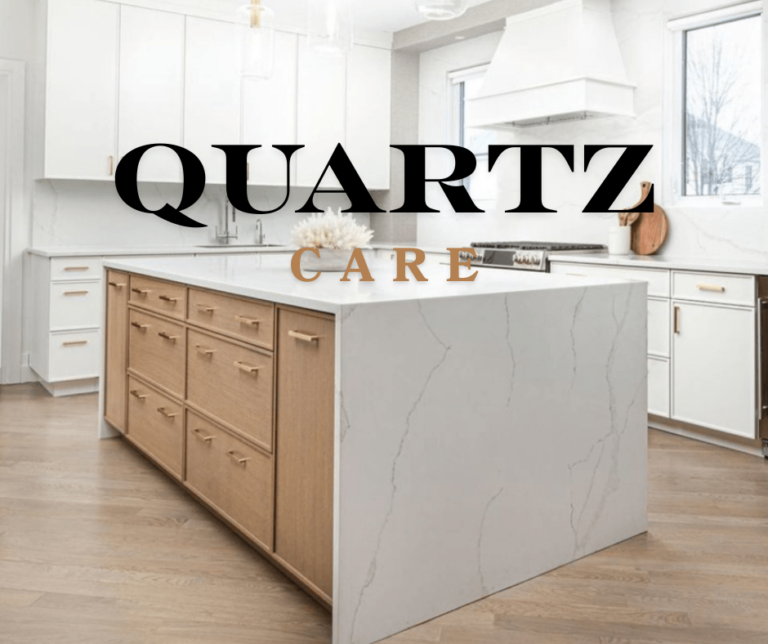
Quartz, on the other hand, is an engineered stone made from crushed natural quartz and polymer resins. This process creates a completely non-porous surface that never needs sealing. This manufacturing difference also creates a clear design choice. Every slab of granite is a unique piece of natural art with one-of-a-kind veins and unpredictable patterns. Quartz offers consistency—the crisp white or subtle gray pattern you see in the showroom is exactly what will be installed in your home.
For a busy bathroom, the debate over quartz vs. granite often comes down to lifestyle. Because it’s essentially stain-proof and requires no upkeep, quartz is the worry-free winner for a high-use space. It provides peace of mind against everything from a stray drop of foundation to a blob of toothpaste. While the organic beauty of granite is undeniable, quartz delivers a pristine, predictable surface that keeps your bathroom remodel looking beautiful with zero effort. With your durable surfaces selected, you can turn your attention to making them shine.
How to Layer Lighting for a Spa-Like Atmosphere
Nothing ruins the feeling of a beautiful bathroom faster than harsh, unflattering light. If your only light source is a single fixture centered on the ceiling, you’re likely casting shadows exactly where you don’t want them. Creating a space that is both functional for your morning routine and relaxing for a wind-down soak isn’t about finding one perfect bulb; it’s about layering different types of light, each with a specific job. Layered lighting is one of the most effective master bath ideas for achieving the glow associated with spa-like bathrooms.

Professional designers think about ensuite bathroom lighting in three essential layers to create a balanced, high-end feel. Consider how you can incorporate all three to build a spa-like bathroom retreat at home.
- Ambient Light: This is your general, room-filling illumination. It comes from a central ceiling fixture, like a flush mount, recessed light, or a small chandelier, and sets the baseline brightness.
- Task Light: This is the focused, functional light you need for grooming, shaving, or applying makeup. Think of an LED mirror.
- Accent Light: This is the “jewelry” of your lighting scheme. A small, directed light can highlight beautiful tile in a shower niche or a piece of art, adding depth and a touch of drama.
Of these three layers, task lighting has the biggest impact on your daily routine. To get it right, avoid placing a light directly above your mirror. This common setup casts downward shadows on your face. Instead, the best master bathroom ideas place task lights on the sides of the mirror using wall sconces. This bathes your face in even, shadow-free light, making every task easier.
For an instant upgrade that dials up the spa atmosphere, ask an electrician to add a dimmer switch to your main ambient light source. This simple, low-cost change gives you complete control, allowing you to switch from bright, energizing light in the morning to a soft, calming glow in the evening. With the mood set, the next step is conquering the clutter.
7 Genius Storage Solutions for a Clutter-Free Bathroom
A spa-like atmosphere is impossible to maintain when countertops are covered in bottles and toiletries. While a great vanity is a start, truly effective master bathroom storage solutions require you to think beyond the sink. The secret to a tidy, spacious-feeling bathroom is to make smart use of overlooked real estate: the space inside your walls and the vertical space above your head.
To reclaim precious counter space, look for “hidden” storage opportunities. Instead of a medicine cabinet that juts out from the wall, choose a recessed model that is built into the wall itself, creating a flush, seamless look. This same idea applies in the shower. Ask your contractor about adding a shower niche—a small, tiled, built-in shelf set right into the shower wall. It provides the perfect waterproof home for shampoos and soaps, eliminating the need for a clumsy shower caddy.
Thinking vertically is another game-changer. A tall, open shelving unit, sometimes called an étagère, can add significant storage over the toilet without the visual weight of a closed cabinet. For even more ideas, use this checklist to spot opportunities in your space.
**Smart Storage Checklist:**
-
- Shower niche
- Over-the-toilet étagère
- Floating wall shelves
- Floor-to-ceiling linen tower
- Recessed medicine cabinet
- Drawer organizers
- Wall-mounted towel warmer/rack
With your clutter conquered, you can focus on the finishes that tie your beautiful, functional space together.
How to Create a Cohesive Style: Spa vs. Modern Farmhouse

Once your space is functional and clutter-free, you can focus on creating a specific mood. What makes a bathroom feel like a spa versus, say, a cozy farmhouse? The secret is to think of a design style not as a strict rulebook, but as a recipe. By consistently combining a few key “ingredients”—colors, materials, and fixture shapes—you create a cohesive and intentional look that feels professionally designed. Begin with bathroom color schemes that support elegant bathroom decor, then layer materials and fixtures to reinforce your vision.
For a serene, spa-like bathroom retreat, the recipe is all about tranquility. Start with a base of light, airy colors like white, soft cream or gray, or watery blues. Mix in natural materials like smooth river rock, light-toned woods such as bamboo, and frosted glass. Finish with fixtures that have clean, simple lines—think of a deep soaking tub, a rainfall showerhead, and a minimalist vanity. The result is a calm, uncluttered space designed for relaxation.
Alternatively, if you prefer a warmer, more grounded feel, consider modern farmhouse bathroom decor. This style’s recipe uses high-contrast colors like crisp white and matte black, warmed up with natural wood tones. Key ingredients include shiplap accents, wood-look tile for durability, and dark metal hardware. A furniture-style vanity or a trough sink completes the look, blending rustic charm with clean, modern sensibilities. Understanding these designs helps you prioritize which elements matter most—a crucial step before deciding where to save and where to splurge.

Your Action Plan: Where to Save and Where to Splurge
You’ve journeyed from seeing a master bathroom as just a room to understanding it as a system of possibilities. Where before you might have only had a vague desire for “something nicer,” you can now articulate the difference between a freestanding tub and a wet room, and you know how a floating vanity can change the feel of a space. This new vocabulary is the first, most powerful tool you need to transform your master bathroom from a dream into a plan.
With these ideas in mind, the final piece of the puzzle is figuring out the budget. Planning a bathroom remodel comes down to making smart financial choices and the secret isn’t just about the total cost; it’s about allocating your funds for maximum impact and daily enjoyment. This quick guide will help you decide where to invest and where to save.
The Smart Shopper’s Guide: Save vs. Splurge
- SAVE on items where quality is standardized. A high-efficiency toilet from a reputable brand works wonderfully without a high price tag. You can also save on paint and easily replaceable accessories like towel bars.
- CONSIDER SAVING with a pre-fabricated vanity, which often provides great style and storage at a fraction of the cost of custom cabinetry.
- SPLURGE on the things you touch every day. A high-quality shower system and faucet feel luxurious and are built to last. Equally important is professional tile installation—the foundation of a beautiful, waterproof finish.
- CONSIDER SPLURGING on a “wow” factor, like a statement light fixture or the unseen luxury of radiant floor heating, to elevate the entire room.
You are now equipped not just with inspiration, but with a strategy. Your bathroom is no longer a collection of fixtures; it’s the backdrop for the start and end of your day. Whether your next step is creating a mood board or confidently calling a professional, you have the knowledge to begin shaping a space that truly serves you. With these master bathroom ideas and bathroom renovation tips, you’re ready to move from inspiration to action.
Frequently Asked Questions (FAQs)
1. What is the average cost of a master bathroom renovation?
The average cost for a master bathroom renovation can range significantly based on various factors, including size, location, and design choices. On average, homeowners can expect to spend between $18,000 to $40,000, with labor often consuming 40-60% of the total budget.
2. How can I make my small bathroom look bigger?
To make a small bathroom feel larger, consider using floating vanities, frameless glass shower doors, and large-format tiles. These design choices can enhance sightlines and reduce visual clutter, creating an open and airy atmosphere.
3. What are some cost-effective materials for bathroom renovations?
Cost-effective materials include ceramic tiles for walls, laminate or vinyl flooring, and pre-fabricated cabinetry. These options offer great style without the hefty price tag, making them ideal for budget-conscious renovations.
4. How do I choose the right lighting for my bathroom?
Choose layered lighting to create a functional and inviting space. Incorporate ambient lighting for overall illumination, task lighting near mirrors for grooming, and accent lighting to highlight decor or architectural features.
5. What are popular trends in master bathroom designs?
Current trends in master bathroom designs include spa-like features like rainfall showerheads, freestanding tubs, natural stone materials, and smart storage solutions. Color schemes lean towards serene neutrals and earth tones, creating calming spaces.
6. How can I ensure my bathroom is water-resistant?
To ensure water resistance, choose high-quality materials such as porcelain tiles and engineered quartz countertops. Proper installation and sealing of materials, particularly around showers and tubs, are also critical for preventing water damage.
7. Is it worth investing in a soaking tub?
Investing in a soaking tub can be worthwhile if it fits your lifestyle and adds value to your home. It provides a luxurious retreat for relaxation. However, if space is a concern, consider a spacious walk-in shower as an alternative.