True Cost of Kitchen Renovation
A kitchen remodel can vary widely in price, depending on factors like the size of your kitchen, the materials you choose, and whether you’re making any structural changes. Here, we’ll guide you through what you need to know about kitchen remodel prices, particularly focusing on the kitchen renovation cost, and offer some tips for keeping your budget in check. By the end, you’ll be better equipped to embark on your renovation journey with confidence.
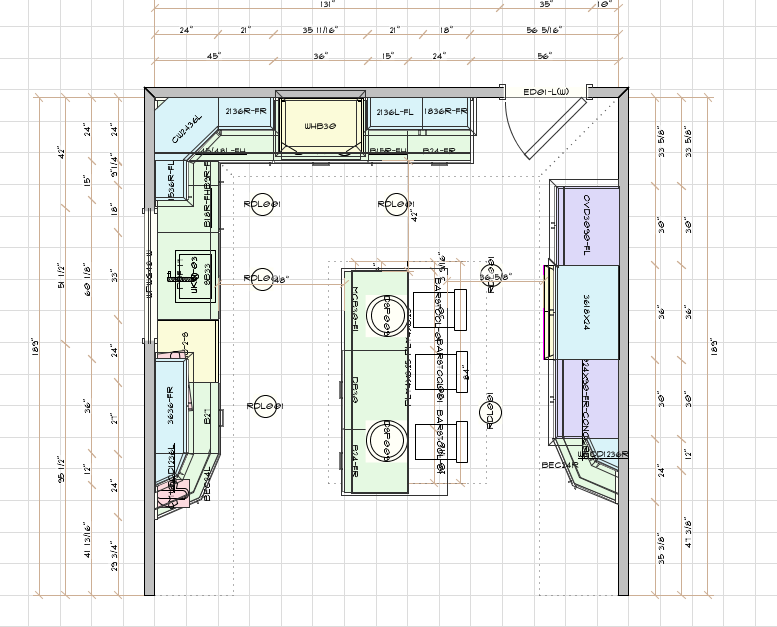
Before diving into specifics, it’s important to understand the factors that can affect the cost of your kitchen renovation. These elements can significantly influence your budget, and being aware of them will help you plan more effectively.
Summary
Kitchen renovation costs normally hinge on kitchen size and layout, quality of materials, project scope, labor, and location— with metropolitan areas generally carrying higher prices. On average expect roughly $25,000–$40,000 for basic and simple updates, $40,000–$75,000 for mid-range renovations, and $100,000+ for high-end remodels, driven by choices like cabinetry, appliances, and structural changes. Manage your budget by planning in detail and prioritizing must-haves, getting multiple quotes, DIYing simple tasks, and having a 10–15% contingency budget for unexpected surprises. The goal is to balance function, aesthetics, and long-term value without overcapitalizing.

Size of the Kitchen
First, the size of your kitchen will significantly impact the cost of your renovation. Larger kitchens require more materials, more labor, and often more time to complete, theses factors all exponentially increase the cost of a kitchen remodel. Whether you’re working with a compact space or a sprawling countryside kitchen, understanding your square footage can help you estimate costs more accurately. Additionally, the complexity of the layout and accessories can also affect costs; a more intricate layout may require specialized labor, further increasing expenses.
Moreover, larger kitchens often present more opportunities for customization, which can be both a blessing and a curse. While having more space allows for creative design possibilities, it can also tempt homeowners to add more features, driving up the cost. It’s important to find a good balance between maximizing your space and staying within your budget, and a good designer will do just that!
Quality of Materials
Second, the materials you choose for your kitchen renovation will play a big role in determining the final cost. High-end materials like marble countertops and custom cabinetry will cost more than laminate and stock cabinets. Consider what materials will give you the best balance of quality and budget, or value. It’s also worth considering the longevity and maintenance requirements of different materials; sometimes, investing in higher-quality materials can save money in the long run since you won’t have to replace them as often.
Furthermore, the market availability and trends can also influence material costs. For instance, certain materials may become more expensive if they are in high demand or if there are supply chain issues (Do you remember COVID times? Exactly!). Keeping an eye on market trends can help you make timely decisions and potentially save on costs.
Scope of the Project
Third; are you planning a complete overhaul or just updating a few elements? If you’re changing the layout, knocking down a few walls, or moving plumbing, expect the overall costs to increase. On the other hand, if you’re mainly updating the look with new finishes and fixtures, your costs will be lower. When working with a designer, understanding the scope of your project helps them more accurately, setting your renovation budget and expectations.
Additionally, the scope of your project can also impact the timeline of your renovation. More extensive projects naturally take longer to complete, which can affect not only your living situation but also your overall budget due to extended labor costs and potential temporary housing needs. So do the math before you start!
Labor Costs
Most importantly though: labor is a significant part of the renovation budget. Hiring skilled professionals ensures the job is done right but comes at a price. It’s important to get multiple quotes and ensure the professionals you hire are qualified and experienced before committing. Investing in skilled labor can also ensure that your renovation meets safety standards and local building codes, which is crucial for long-term value and safety in your home. Your kitchen is the heart of the home, but it in good hands.
Moreover, the type of labor needed can vary greatly depending on your project. For example, specialized tasks such as electrical work or custom cabinetry require specific expertise, which can increase costs. Being clear about your needs from the start can help you find the right professionals and avoid unnecessary expenses down the road due to improperly installed work.
Geographic Location
It’s also important to consider where you live as it can affect renovation costs. For instance, the kitchen renovation cost in a metropolitan area might be higher than in other parts of the country due to the cost of living and demand for services, and local contractor requirements. Higher living costs in urban areas often translate to higher labor rates and material costs, impacting your overall budget.
Additionally, local regulations and permit requirements can vary, influencing both the cost and timeline of your project. Understanding these local factors can help you anticipate potential challenges and be prepared.
Kitchen Renovation Cost Near Me

For homeowners in Chester County PA or in Delaware, understanding local renovation costs is crucial. On average, a kitchen renovation cost near me ranges from $30,000 for a modest update to over $100,000 for a high-end remodel. Here’s a breakdown of potential expenses:
Basic Renovation
A basic kitchen renovation might include updating fixtures, painting, and replacing countertops. This can typically cost between $30,000 and $45,000. While it might not include structural changes, it can significantly enhance the look of your kitchen. This level of renovation is ideal for homeowners looking to refresh their space without a massive financial commitment.
Furthermore, a basic renovation can often be completed relatively quickly, minimizing disruption to your daily life. It’s a practical choice for those looking to improve their kitchen’s appearance and functionality without diving into more costly or time-consuming endeavors.
Mid-Range Renovation
For a mid-range renovation, you might be looking at costs between $45,000 and $70,000. This could include semi-custom cabinetry, new appliances, and possibly some layout changes. This level of renovation balances quality with budget, giving your kitchen a fresh, updated look, and it’s a popular choice for homeowners seeking to improve both aesthetics and functionality without going overboard.
In addition, mid-range renovations often provide a good return on investment, especially if you select upgrades that enhance energy efficiency or increase your kitchen’s usability. Thoughtful planning at this level can result in a kitchen that meets your needs for years to come.
High-End Renovation
A high-end kitchen renovation can exceed $100,000. This might involve custom cabinetry, luxury appliances, and high-end materials like marble or quartz. If you’re looking for a complete transformation with top-of-the-line features, prepare for a larger investment. High-end renovations are often about creating a personalized space that reflects your lifestyle and taste.
Moreover, investing in a high-end kitchen can significantly boost your home’s market value, making it an appealing option for those in competitive real estate markets; however, it’s crucial to ensure that your investment aligns with the overall value of your home to avoid overcapitalization.
Tips for Managing Your Kitchen Renovation Budget

While renovating a kitchen can be costly, there are ways to manage your budget effectively. Being strategic in your planning and execution can help you achieve your desired results without unnecessary financial strain.
1.Plan Ahead
Before starting your renovation, make a detailed plan of your wants and needs. Know what you want to achieve and set a realistic budget that works for you. When you plan, it helps you stay on track and avoid unexpected expenses, and those can happen with a few clicks of a button on that fancy kitchen design software! It’s essential to map out every aspect of your renovation, design a layout that works for your lifestyle and fits within your budget, and tweak it until you find a happy balance of on budget and essential must haves,
Additionally, a well-thought-out plan can help streamline the renovation process, reducing the likelihood of delays and additional costs once the project has started. Allocating time for research and decision-making upfront can pay dividends in the long run.
2.Prioritize Your Needs
Decide what aspects of your kitchen are most important to you. Whether it’s a new island, high-quality cabinets, or energy-efficient appliances, prioritizing helps allocate your budget to the most impactful areas first. Understanding your must-haves versus your nice-to-haves can prevent budget overruns and ensure your renovation meets your primary objectives first.
Moreover, prioritizing needs can also guide you in making smart trade-offs. For instance, opting for mid-range appliances to afford a high-quality countertop that enhances both function and style, or adding functional pull outs in some of your cabinets vs. tearing down that coat closet to create extra storage space.
3.Get Multiple Quotes
Don’t just settle for the first contractor you find. Get multiple quotes from different professionals, this will not only make sure you are getting the best value, but you will also learn little things from each one of them that you may want to incorporate into your final kitchen remodeling project. Compare their experience, reputation, and pricing to make the best choice for your renovation.
4.Consider DIY Options
If you’re handy, consider tackling some projects yourself. Simple tasks like painting or installing a backsplash can save on labor costs; however, you may want to leave complex tasks like electrical and plumbing work to the professionals. DIY can be a rewarding way to personalize your space and stay within budget, but it’s crucial to know your limits to avoid costly mistakes.
Additionally, doing some of the work yourself can also give you a deeper appreciation for the craftsmanship involved in the renovation process. It’s an opportunity to contribute personally to the transformation of your space.
5.Be Prepared for Unexpected Costs
Even with careful planning, unexpected costs can arise. Set aside a contingency fund, typically 10-15% of your budget, to cover any surprises. This financial buffer can provide peace of mind and ensure that unforeseen expenses don’t derail your project and bring you down in the moment. It’s a safeguard that allows for flexibility and adaptability throughout your renovation journey.

Conclusion
In summary, renovating your kitchen is a significant investment that can increase the value of your home and enhance your living space. By understanding the true cost of kitchen renovation and considering factors like size, materials, and labor, you can plan a project that fits your budget and meets your needs. A well-executed kitchen remodel not only enhances your home’s functionality and aesthetic but also provides a space where you’ll love to cook, entertain, and spend time with family.
Whether you’re in Chester County PA, Delaware, or elsewhere, a well-planned kitchen remodel can transform your home into a haven of culinary delight. By following the tips provided and considering the various factors that influence cost, you can create a kitchen that not only meets your current needs but also adapts to future changes in lifestyle and taste. Happy renovating!
Q&A Section: Understanding Kitchen Renovation Costs
Q1: What is the average cost of a kitchen renovation?
A1: The average cost of a kitchen renovation can vary based on the scope of the project and location but, basic renovations typically range from $30,000 to $45,000, while mid-range projects can cost between $45,000 and $75,000. High-end remodels can exceed $100,000.
Q2: What factors influence kitchen renovation costs?
A2: Several factors influence kitchen renovation costs, including the size of the kitchen, quality of materials, labor costs, the scope of the project, and geographic location. Each of these elements plays a role in determining your overall budget.
Q3: Can I save money on my kitchen renovation?
A3: Yes, you can save money by planning ahead, prioritizing your needs, getting multiple quotes from contractors, considering DIY options for simpler tasks, and setting aside a contingency fund for unexpected expenses.
Q4: Is it worth investing in high-quality materials for my kitchen renovation?
A4: Investing in high-quality materials can enhance both the appearance and functionality of your kitchen, often saving money in the long run due to durability and low maintenance. It can also increase your home’s resale value.
Q5: How long does a typical kitchen renovation take?
A5: The duration of a kitchen renovation can vary significantly based on the project’s scope. A basic update may take a few weeks, while more extensive renovations that involve structural changes or custom features could take several months.