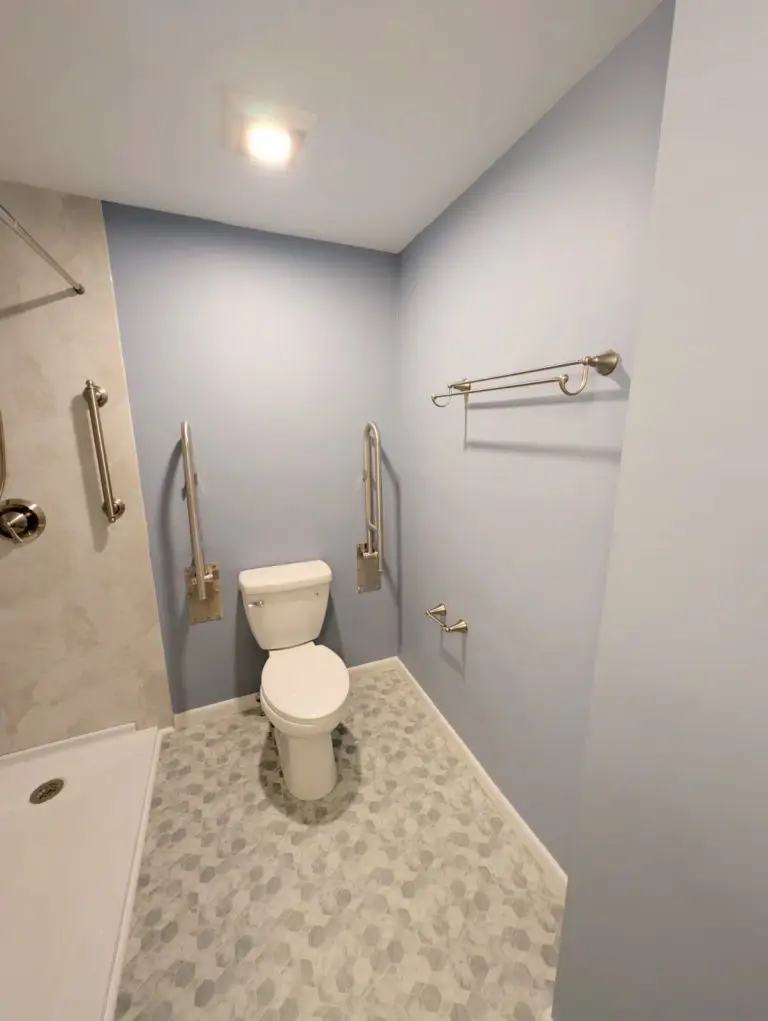
How Much Does It Cost to Remodel a Bathroom

The Importance of Planning
Super Important! Effective planning is the cornerstone of a successful bathroom remodel. Before you even think about purchasing materials or hiring contractors you should spend time outlining your goals and setting a realistic budget for your bathroom project. Planning helps in identifying potential challenges and allows you to allocate funds where they matter the most. A well-thought-out plan can prevent costly mistakes and ensure the project stays on track: no one likes surprises in a remodel, no one!
Understanding Material Costs
Material costs can be a significant portion of your bathroom remodeling budget so it’s essential to understand the price range for various materials before making any purchase decisions. Tiles, countertops, and fixtures come in various qualities, and their prices can differ tremendously. Researching the products and comparing prices from different suppliers, and even manufacturers, can lead to significant savings and help you stay within budget. Nobody needs a $1000 shower head, they simply want it! You can get a fantastic showerhead for less than $100. Catch my drift?
Balancing Aesthetic and Function
While aesthetics are important, functionality should not be overlooked in a bathroom remodel, and should in fact be your focal point when starting. Striking a balance between the two can often be challenging, but it is vital for a successful project. Prioritize elements that improve the bathroom’s functionality, such as efficient layouts, storage solutions or durable materials, without compromising on the overall look. This balance ensures that your remodel marries your practical needs and design preferences.
Key Factors Influencing Bathroom Remodel Costs

Quality of Materials
The quality and type of materials you choose will significantly impact the cost. For example, choosing high-end tiles (upwards of$10/SF), custom cabinetry (selective wood species and finishes), and luxury fixtures will push your budget higher than opting for more affordable alternatives. If you’re looking for an affordable bathroom remodel, consider mixing high-end and budget-friendly materials to create a balanced look. You don’t want to install junk, but that Brass towel bar is going to cost you significantly more than the Chrome one! Fixture finishes count!
High-End vs. Budget Materials
High-end materials are often associated with superior quality and longer lifespan, but they come at a premium price. Budget materials, while more affordable, may not offer the same durability or aesthetic appeal. However, if you do your homework, you will find some manufacturers offer true value with lower price tags and the same quality, Moen for example has different product lines with different price points but still all very good. You can also mix and match materials, for instance, use budget tiles but splurge on a statement vanity or luxurious lighting fixture to elevate the overall design.
Sourcing Affordable Materials
Finding affordable materials doesn’t mean settling for less. Many suppliers offer discounts on last season’s stock or bulk purchases. Consider visiting local warehouses or resale shops for unique finds at reduced prices. Do a little research on other products that might suit your needs that you may not have heard about; you might be surprised by what you find! Fibo showers for ecample are a great alternative to tile. With a bit of patience and creativity, you can source quality materials that fit your budget.
Eco-Friendly Options
Eco-friendly materials are becoming increasingly popular in bathroom remodels. While often perceived as expensive, sustainable options like bamboo or recycled glass tiles can be cost-effective in the long run due to their durability. Fibo, as mentioned above, is a sustainable material which has a lower carbon foot print than tiles, and will last longer. Investing in eco-friendly materials can appeal to environmentally conscious homeowners and potentially increase property value, especially if their longevity outlasts their counterparts!
Labor Costs
Labor is another major component of your remodeling cost, and it’s true what they say “You get what you pay for.” Hiring experienced professionals ensures quality work but can also be expensive. Depending on the complexity of the project, labor costs can account for 20% to 40% of the total bathroom renovation price. Keep that in mind as you budget for your remodel.
Hiring Professionals vs. DIY
Deciding between hiring professionals or doing it yourself can significantly affect labor costs. While DIY can save money, it’s essential to assess your skill level and the project’s complexity. Simple tasks like painting or installing fixtures can be DIY projects, whereas plumbing and electrical work often require professional expertise; for safety reasons. Weigh the cost savings against the potential for mistakes and time investment involved in DIY projects. But don’t be afraid to pull out your drill and install a few towel bars, towel rings and a mirror or two as this can save you a few hundred dollars here and there and they do add up.
Finding Skilled Contractors
Finding the right contractor is crucial for a successful bathroom remodel! Look for contractors with experience in similar projects and check their references and portfolios. You should obtain multiple quotes to compare pricing and services offered. You want transparent communication about your expectations and budget with potential contractors; this will lead to a more accurate and smoother project experience.
Negotiating Labor Costs
Negotiating labor costs is an option that many homeowners overlook. While not all costs are flexible, some contractors may offer discounts for certain payment terms or if you agree to a longer project timeline. Ask your contractor if they have any discounted materials: sometimes contractors are stuck with incorrect orders, cabinetry, fixtures, things that they are willing to part with for a cheaper price because they just want it out of their warehouse. Don’t be afraid to discussing your budget constraints upfront as this can lead to a more favorable agreement and your contractor can give you some ideas for lowering your budget. Be sure to get all negotiated terms in writing to avoid misunderstandings later.
Scope of Work
The scope of your remodel will also dictate costs. Are you planning a simple update with new paint and fixtures, or are you tearing everything down to start from scratch? Full renovations involving plumbing and electrical work will be more costly than cosmetic changes.
Cosmetic vs. Structural Changes
Cosmetic changes are generally less expensive and involve updates like painting walls or replacing fixtures (mirrors, towel bars, faucets, etc.) Structural changes, such as altering the layout or moving plumbing and walls, require more labor and resources, significantly increasing costs. Evaluate your needs and decide if structural changes are necessary or if cosmetic updates can achieve your goals. Weigh the benefits of adding a few extra inches to your shower, is it worth the thousands of dollars to tear out a wall and frame a new one for a 5″ increase in your shower? These small changes can have big impacts on your bathroom remodel cost.
Prioritizing Needs Over Wants
It’s easy to get carried away with design ideas, but prioritizing essential needs over wants can help manage costs significantly. Consider what aspects of your bathroom are functional and which require urgent updates and focus on these elements first, and if the budget allows, incorporate additional “want” features. This prioritization ensures that vital upgrades are completed without financial strain and all the others are just an added bonus.
Planning for Unexpected Changes
Unexpected changes can arise during a remodel, such as hidden water damage or outdated wiring, utilities that are running in a wall that needs to be moved, etc. Contractors cannot see through walls so sometimes this happens. Allocating a portion of your budget for contingencies can help manage these surprises without derailing the project. It’s advisable to set aside 10-15% of your total budget for unexpected expenses to ensure the project can continue smoothly without the financial strain.
Using a Bathroom Remodel Cost Calculator
A bathroom remodel cost calculator can be a useful tool for planning your budget. These calculators take into account various factors like size, materials, and labor to give you a rough estimate of your remodeling costs; however, these are estimates and are not the holy grail for every single location. Some locations may have different labor rates and materials will vary in cost as well. Your best bet for getting real costs is to obtain as many estimates as possible from local contractors: 3-5 is generally ideal.
How to Use a Cost Calculator
Most online calculators are user-friendly. You simply input the dimensions of your bathroom, select the quality of materials, and specify the level of labor required. The calculator will then provide you with an estimated cost range.
Inputting Accurate Information
To get the most accurate estimate, ensure that the information you input into the calculator is as precise as possible. Measure your bathroom carefully, consider the exact materials you plan to use, and be realistic about the labor needed. Accurate inputs will provide a more reliable cost range, aiding in effective budget planning.
Comparing Multiple Calculators
Not all cost calculators are created equal. You should use multiple calculators to get a broader view of potential costs. Each tool may have different assumptions or factors, so comparing several estimates can provide a more comprehensive understanding. This cross-referencing can highlight discrepancies and help you refine your budget further.
Understanding Cost Range Outputs
The output from a cost calculator usually provides a range rather than a single figure. This range accounts for variables like labor rates and material availability that can fluctuate. Understanding this variability is crucial for setting a realistic budget and preparing for potential changes in costs as the project progresses.
Benefits of Cost Calculators
Using a bathroom remodel cost calculator allows you to experiment with different scenarios and see how changes affect the overall budget. This can help you make informed decisions about where to splurge and where to save.
Scenario Planning
Cost calculators enable scenario planning, allowing you to explore different remodeling options. You can adjust factors like material quality or labor to see how they impact the overall cost. This flexibility helps you to visualize the financial implications of various choices, making it easier to decide on the best course of action.
Financial Transparency
Having a clear understanding of potential costs fosters financial transparency and reduces the likelihood of unexpected expenses. Calculators provide a baseline that can guide discussions with contractors and suppliers. This transparency ensures all parties are aligned on budget expectations, minimizing misunderstandings.
Enhanced Decision-Making
Equipped with detailed estimates, you can make more informed decisions about your remodel. Whether to upgrade to a luxury fixture or opt for a standard alternative becomes clearer when you understand the cost-vs-value implications. This informed decision-making process helps you achieve a remodel that meets both your aesthetic and financial goals.
Affordable Bathroom Remodel Tips

If you’re working with a limited budget, don’t worry—there are plenty of ways to keep costs down without sacrificing style.
Focus on High-Impact Areas
Instead of overhauling the entire bathroom, focus on areas that get the most use and make the most impact, such as the shower, vanity, flooring or even toilet. Updating these key features can give your bathroom a fresh look without a full remodel.
Revamping the Shower Area
The shower area is often the focal point of a bathroom. Consider updating it with modern fixtures or adding a glass enclosure for a sleek look. Even small changes, like a shower handle or a stylish showerhead, can dramatically enhance the space without extensive renovation work.
You can also opt to just redo your shower area (often called wet-area). Although the wet area normally accounts for 50% of the cost in a bathroom remodel, it is possible to get a huge transformation with just a new shower or tub and surround. And if you currently have leaks or mold in your shower, those should be tackled immediately.
Vanity Upgrades
The vanity is a functional and aesthetic component of the bathroom. Replacing or refurbishing the vanity (such as painting or re-staining) can transform the room’s look and if you add internal storage solutions it can quickly improve functionality. Consider a new countertop material or updated hardware to modernize the space affordably.
Flooring Enhancements
Flooring can often set the tone for the entire bathroom. Opt for materials that offer a good balance between style and durability. Vinyl or laminate flooring can mimic high-end materials at a fraction of the cost and these options are both budget-friendly and easy to maintain, making them ideal for an economical remodel.
Reuse and Recycle
Where possible, reuse existing materials or fixtures. Also, consider buying gently used or open box fixtures from resale shops or online marketplaces. Amazon and Wayfair normally have open box items which are new but have a significant discount.
Refinishing Existing Fixtures
Refinishing is a cost-effective way to update your bathroom without extensive replacements. Bathtubs, sinks, and countertops can often be refinished to look brand new. This approach not only saves money but also reduces waste, contributing to a more sustainable remodel.
Second-Hand Finds
Second-hand fixtures and materials can offer unique design elements at a lower cost. Explore local thrift stores, salvage yards, or online platforms for gently used items. These finds can add character to your bathroom and help stretch your budget further. Stay clear of reused plumbing items such as faucets or showerheads as you don’t know what water deposits may have settled inside it.
Creative Repurposing
Think creatively about how existing items can be repurposed in your bathroom. Old furniture pieces can be transformed into vanities, or reclaimed wood can be used for shelving. These creative solutions not only save money but also add a personal touch to your remodel.
Do It Yourself
If you’re handy, consider taking on some of the work yourself. Painting, installing new hardware, or even tiling can be DIY projects that save on labor costs. However, for complex jobs like plumbing or electrical work, it’s best to hire professionals.
DIY Painting and Decor
Painting is one of the simplest DIY tasks with a significant impact. Choosing a new color or applying a fresh coat can brighten the space and alter the mood instantly. Additionally, updating decor items like mirrors or towel racks can enhance the bathroom’s look without the need for professional help.
Tiling as a DIY Project
Tiling can be a rewarding DIY project if approached with the right tools and patience. Start with small areas, like a backsplash, to build confidence before tackling larger sections. Online tutorials and classes can provide guidance, making this a feasible option for cost-conscious remodelers; however, note that there is significant waterproofing involved in tiling a wet area so maybe leave those to a professional so as to not have water issues down the road.
Knowing When to Hire Professionals
While DIY can save money, it’s crucial to recognize when professional intervention is necessary. Complex tasks like plumbing or electrical work require specialized skills to avoid costly mistakes. Hiring professionals for these aspects ensures safety and compliance with building codes, ultimately protecting your investment.
Estimating Costs for a 5×10 Bathroom Remodel
If you’re specifically looking to remodel a 5×10 bathroom, the cost will be influenced by all the factors discussed, but on a smaller scale. On average, a basic remodel for a bathroom of this size can range from $18,000 to $25,000. However, luxury upgrades can increase the price to $30,000 or more.
Breakdown of Typical Costs
- Demolition: $800 – $1,700
- Flooring: $800 – $2,000
- Vanity and Countertops: $1,000 – $4,000
- Plumbing and Fixtures: $3,000 – $9,000
- Lighting and Electrical: $800 – $2,500
Demolition Costs
Demolition is often the first step in a remodel, and its cost can vary depending on the extent of the work. Simple tear-outs are less expensive than removing structural elements or thickset tile on walls. Efficient planning and doing some of the demolition yourself can save money, but ensure that you have the necessary safety equipment and knowledge.
Flooring Investment
Flooring is a significant investment that affects both aesthetics and functionality. Choose materials that are durable and moisture-resistant to ensure longevity. While high-end options like stone can be appealing, budget-friendly alternatives like vinyl or ceramic tiles offer similar looks with less financial impact; they are also warmer to walk on.
Vanity and Countertop Choices
Vanity and countertop upgrades can transform the bathroom’s appearance and utility. Consider prefabricated vanities as a cost-effective alternative to custom options, but select durable materials, no particle board (particle board cabinetry absorbs moisture and swells over time)!
Plumbing and Fixture Updates
Updating plumbing and fixtures can improve functionality and efficiency. Water-saving fixtures can reduce utility bills over time, offering a return on investment. Prioritize quality fixtures within your budget to avoid frequent replacements and repairs.
Lighting and Electrical Enhancements
Lighting is essential for both function and ambiance. Upgrading to LED fixtures can enhance energy efficiency and provide better illumination. Consider adding dimmers or layered lighting (such as a combination of recessed lights, vanity lights and LED mirrors) to create a versatile atmosphere that suits various needs and preferences.

Conclusion
Remodeling a bathroom can be a rewarding project that adds value and comfort to your home. By understanding the factors that influence costs and utilizing tools like a bathroom remodel cost calculator, you can plan effectively and create the bathroom of your dreams without breaking the bank. Whether you’re aiming for an affordable bathroom remodel or planning to indulge in high-end finishes, the key is to stay informed and make decisions that align with your budget and vision. A well-executed bathroom remodel enhances your living experience and increases your home’s appeal and market value. With careful planning and strategic choices, your dream bathroom is within reach!
Popular Q&A Section
Q: What is the average cost to remodel a bathroom?
A: The average cost of a bathroom remodel can vary widely depending on the size, materials, and scope of work. Generally, a basic remodel may range from $18,000 to $25,000, while more extensive renovations can exceed $30,000 or more.
Q: How can I save money on my bathroom remodel?
A: There are several ways to save on a bathroom remodel, including opting for budget-friendly materials, doing some of the work yourself, and focusing on high-impact areas rather than a complete overhaul. Additionally, shopping sales and second-hand stores for fixtures can lead to significant savings.
Q: What should I prioritize in my bathroom renovation?
A: Prioritize elements that enhance functionality first, and aesthetics second. Focus on areas such as the shower, vanity, and flooring. If your plumbing or electrical systems are outdated, consider upgrading those as well for improved efficiency and minimizing risk of failure in the future.
Q: Are there financing options available for bathroom remodeling?
A: Yes, many homeowners explore financing options for bathroom remodels. You can look into financing from your remodeling company or contractor, personal loans, home equity lines of credit (HELOC), or specialized home improvement loans. Be sure to compare terms and interest rates before choosing a financing option and understanding the terms of promotional financing from remodeling companies. Many companies offer hard to beat deals of 12 months no payment but after the 12 months are up, the interest rates skyrocket and you end up paying significantly more for your project. So understand promotional rates and compare them with traditional lending methods to make the best informed decision.
Q: Should I hire a contractor or do it myself?
A: Whether to hire a contractor or tackle the project yourself depends on your skill level and the complexity of the remodel. For basic updates, DIY can be a good option. However, for intricate tasks like plumbing and electrical work, hiring professionals is recommended to ensure safety and compliance with local codes.