How much does a custom sunroom addition typically cost

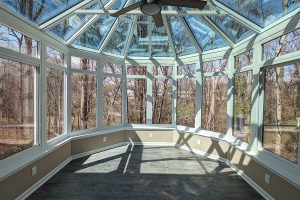
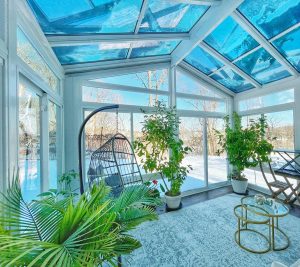
The cost of a custom sunroom can vary widely based on several factors such as the size of the sunroom, the materials used, the complexity of the design, and your geographic location. On average, a sunroom addition can cost anywhere from $15,000 to $80,000 or more. These costs are influenced by the choices you make in terms of materials and design features (ie: glass vs insulated panels), which can dramatically alter the final price tag. Here’s a closer look at the elements that influence these costs.
Summary
Custom sunroom additions typically range from $15,000 to $80,000+, driven by size, materials, design complexity, and geographic location. Three-season rooms usually cost $15k–$40k, four-season rooms $25k–$80k+, and conservatories $50k–$150k+. Plan for added expenses like permits, site prep, utilities, and interior finishes. To save money, choose standard sizes, simpler designs with less glass, cost-effective materials, and get multiple contractor quotes for the best-informed decision.
Size of the Sunroom
The size of your sunroom is one of the most significant factors affecting cost. Naturally, larger sunrooms require more materials and labor, and glass, which increases the total price. For instance, a small sunroom of about 100 square feet might cost between $10,000 and $30,000, while a larger sunroom of 300 square feet could range from $30,000 to $70,000 or more. The size not only affects the base construction cost but also impacts the amount of heating, cooling, and interior finishing required. Additionally, larger sunrooms may require more substantial foundation work, further driving up costs.
Materials Used
The choice of materials plays a crucial role in determining the cost of a sunroom. Common materials include:
- Aluminum: Durable and relatively affordable, aluminum is a popular choice for sunroom framing. It offers a sleek, modern look and is structurally more sound because aluminum is resistant to corrosion and rot. This makes it ideal for homes in humid climates, waterfront properties and regions with a standard amount of rainfall or precipitation.
- Vinyl: Vinyl is another cost-effective option that provides good insulation and low maintenance. It is available in various colors and finishes, allowing for customization while keeping costs down. Many aluminum structures nowadays come with vinyl coverings for added aesthetics and ease of maintenance.
- Wood: Wood offers a classic, warm aesthetic but tends to be more expensive and requires regular upkeep. Its natural appeal can enhance the cozy feel of your sunroom but be prepared for a significant amount of maintenance due to the potential for rot and weathering.
- Glass: The type of glass used can also impact cost. Double-pane, insulated glass is more expensive but provides better energy efficiency. Tinted or treated glass can also add privacy and reduce glare, though at an additional cost. Glass is going to be a crucial factor in a four seasons vs three seasons room and hence the cost difference.
Design Complexity

The complexity of the sunroom design can add to the cost. A simple, straightforward design will be less expensive than a custom design with intricate architectural details and custom angles. Features like vaulted ceilings, skylights, or custom windows can increase the price significantly. Each of these elements requires additional engineering and custom materials, as well as skilled labor to execute properly. Moreover, complex designs may require specialized building permits or professional design services beyond the norm, which can also contribute to higher expenses for the overall project.
Geographic Location
Labor costs and building regulations vary by location, which can influence the overall cost of your sunroom addition. In areas with a higher cost of living and metropolitan areas, you can expect to pay more for labor and materials. Additionally, some regions have specific building codes that may require additional permits, registrations or construction requirements, adding to the overall cost. Local climate considerations may also affect design choices, such as the need for enhanced insulation or weatherproofing, further impacting your sunroom budget.
Types of Sunrooms and Sunroom Costs
Sunrooms come in various styles, each with its own price range. Understanding these options can help you choose the best fit for your home and budget. Here are some common types:
Three-Season Sunrooms
A three-season sunroom is designed for use in spring, summer, and fall. These sunrooms are usually not insulated or equipped with heating and cooling systems, making them more affordable. Prices typically range from $15,000 to $40,000. Without the need for extensive insulation, these sunrooms are quicker to build; however, their limited seasonal use may not suit homeowners in climates with harsh winters or excessively hot summers.
Four-Season Sunrooms
Four-season sunrooms are insulated and sometimes equipped with heating and cooling systems, or mini-split units, allowing for year-round use. These sunrooms are more expensive due to the additional insulation, different building materials, and HVAC systems, with costs ranging from $25,000 to $80,000 or more. The investment in a four-season sunroom can be worthwhile if you wish to maximize the use of your space throughout the year and these sunrooms generally enhance the overall value of your home.
Conservatories
Conservatories are high-end sunrooms with a glass roof and walls, often featuring ornate architectural details such as domed peaks. These luxurious spaces can be quite costly, with prices ranging from $50,000 to $150,000 or more. The design of conservatories is often inspired by classic European architecture, adding a touch of elegance and sophistication, and full sunlight. While the cost is higher, conservatories can serve as a stunning focal point in your home, suitable for a variety of uses, from entertaining guests to enjoying leisurely afternoons.
Additional Sunroom Costs to Consider
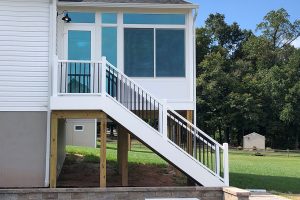
When budgeting for a sunroom, it’s important to account for additional expenses beyond construction. Here are a few to consider:
Permits and Inspections
Building a sunroom typically requires permits and inspections to ensure compliance with local building codes. Permit costs vary by location but generally range from $500 to $2,000. Failing to obtain the necessary permits can lead to costly fines and delays, especially if you ever try to sell your home. Inspections ensure that your sunroom is safe and built to code, preventing future issues and potential liability; so, it is an important part of the project. As a homeowner it is not your job to know if a sunroom is up to code or not, you are entrusting the sunroom builder to know how to build it properly. The permit and inspections serve as a seal of approval that your contractor is indeed building the structure safely.
Site Preparation
Before construction begins, the site must be prepared. This may include leveling the ground, removing existing structures, or addressing drainage issues. Site preparation can add several hundred to several thousand dollars to the project cost. Proper site preparation is crucial for the longevity and stability of your sunroom, preventing potential foundation problems or water damage in the future.
Utilities
If you’re adding electrical wiring, plumbing, or HVAC systems to your sunroom, these utilities can increase the cost of your sunroom as well. Electrical work alone can range from $1,000 to $3,000, depending on the complexity and how many new lines are being run to the breaker box. Properly installed utilities can enhance the functionality of your sunroom, by giving you a more versatile space. They allow for lighting, climate control, and other amenities that can make the space more enjoyable. But they come with the added cost.
Interior Finishes
Don’t forget about the cost of interior finishes, such as flooring, drywall, paint, and furnishings. These costs can vary widely based on your preferences and can add several thousand dollars to the project. Choosing durable and attractive finishes can enhance the aesthetic appeal and comfort of your sunroom, making it a more livable space vs just an exterior room.
Tips for Saving on Sunroom Costs
While sunrooms can be expensive, there are ways to save money without sacrificing quality. Here are a few tips:
- Choose Standard Sizes: Custom sunroom sizes and layouts can significantly increase costs. Opting for standard dimensions can save on material and labor costs. Stock size windows are a significant cost saver vs custom glass. (Think 4′ slider, 5′ slider, etc)
- Simplify the Design: Keep the design simple and avoid unnecessary architectural details that can drive up costs. A minimalist approach can still result in an elegant and functional sunroom without taking a giant bite out of your wallet. Think straight lines instead of extra angles.
- Use Cost-Effective Materials: Consider using more affordable materials like vinyl or aluminum to reduce expenses. These materials offer durability and style without the higher price tag of wood or custom glass.
- Get Multiple Quotes: Obtain quotes from several contractors to ensure you’re getting good value. Be sure to check references and reviews to select a reputable builder with licenses and insurance.
Conclusion
Adding a custom sunroom to your home is an investment that can enhance your living space and increase your property’s value significantly, if done well. By understanding the factors that influence sunroom costs and carefully planning your project, you can create a beautiful, functional space that fits your budget. Whether you’re dreaming of a cozy three-season room or a luxurious conservatory, the perfect sunroom is within reach with the right planning and budgeting. Taking the time to research and plan your sunroom project can lead to a space that not only meets your needs but also brings joy and relaxation for years to come.
Q&A
Question: What’s the typical cost range for a custom sunroom, and what drives the price up or down?
Short answer: Most custom sunrooms cost $15,000 to $80,000+, with price driven by size, materials, design complexity, and geographic location. Larger rooms require more materials, labor, and potentially a stronger foundation. Material choices (aluminum or vinyl vs. wood and premium glass), complex features (vaulted ceilings, skylights, custom windows), and higher local labor/codes can all increase the total.
Question: How do three-season rooms, four-season rooms, and conservatories compare in cost and use?
Short answer: Three-season rooms (no full insulation/HVAC) run about $15,000–$40,000 and suit milder months. Four-season rooms (insulated with heating/cooling) cost $25,000–$80,000+ and are usable year-round—often enhancing overall home value. Conservatories (glass roof/walls with ornate details) are the premium option at $50,000–$150,000+, offering a high-end, architectural focal point.
Question: How much does size affect the budget?
Short answer: Size is one of the biggest cost drivers. A small ~100 sq. ft. sunroom may cost $10,000–$30,000, while ~300 sq. ft. can range $30,000–$70,000+. Bigger spaces also raise heating/cooling and interior finishing needs and may require more substantial foundation work.
Question: What additional (often overlooked) costs should I plan for?
Short answer: Budget for permits and inspections ($500–$2,000), site preparation (from several hundred to several thousand dollars), utilities (electrical alone often $1,000–$3,000; HVAC/plumbing adds more), and interior finishes (flooring, paint, furnishings), which can add several thousand dollars depending on choices.
Question: How can I keep costs down without sacrificing quality?
Short answer: Choose standard sizes, simplify the design (avoid unnecessary architectural details), opt for cost-effective materials like vinyl or aluminum, and get multiple contractor quotes with references. Selecting insulated glass strategically and keeping features streamlined can preserve comfort and aesthetics while controlling budget.