Choosing the Right Shower Bar for You
That shower bar you’re considering is more than just a place to hang a shower head. Choosing the wrong one isn’t merely an inconvenience; it can be a serious safety risk. This guide reveals the critical difference you need to know before you buy, ensuring your bathroom is both functional and secure for everyone who uses it.
Think of a standard shower slide bar like a towel rack. It’s designed for one light-duty job: letting you position the shower head at the perfect height. A safety grab bar, in contrast, is like a staircase railing. It’s engineered and anchored directly into your wall’s internal structure, built to support hundreds of pounds of force without fail.
In a slippery situation, grabbing a cosmetic slide bar for balance can have disastrous results. According to home safety experts, mistaking a positioning bar for a support bar is a common and preventable cause of bathroom falls. This distinction is especially vital when choosing shower safety bars for seniors or for any household with children or individuals with mobility concerns.
The great news is that you don’t have to choose between adjustable convenience and rock-solid safety. Many of the best shower safety bars are combination units, giving you a structurally sound grab bar that also includes a sliding holder for your shower head. Identifying these different types is key to finding the perfect fit for your home and your peace of mind.

Secure Screws vs. Simple Suction Cups
After you’ve picked out your shower bar, the most important decision is how to attach it to the wall. This choice boils down to one thing: do you need temporary convenience or permanent safety? The answer determines whether you should choose a suction cup or a screw-in model.
Suction cups, while incredibly convenient for renters or anyone who wants to avoid drilling holes, are only suitable for holding a lightweight, handheld shower sprayer. Think of them as temporary organizers, not structural supports. Over time, changes in temperature and humidity can cause suction to fail without warning. For this reason, you should never use a suction cup bar as a grab bar or for any kind of support.
For a truly secure and lasting installation, screw-in mounting is the only way to go. This method involves drilling small holes through your tile or shower surround and fastening the bar directly to the solid structure behind it. If a wall stud isn’t available, special wall anchors are used—these are inserts that expand behind the wall material to create a rock-solid grip. While drilling into tile can feel intimidating, it’s a common task for a confident DIYer with the right drill bit. However, for a safety grab bar, we always recommend hiring a professional to ensure it’s installed perfectly.
So, how do you choose? It all comes down to the bar’s job.

Where to Install Your Shower Bar
Proper placement makes all the difference. For a combination tub and shower, a single bar mounted diagonally on the long wall is often the most versatile solution. This angle gives you a low point to grip when stepping over the tub edge and a higher point for support once you’re standing. It’s an elegant, all-in-one setup that adapts to your movements.
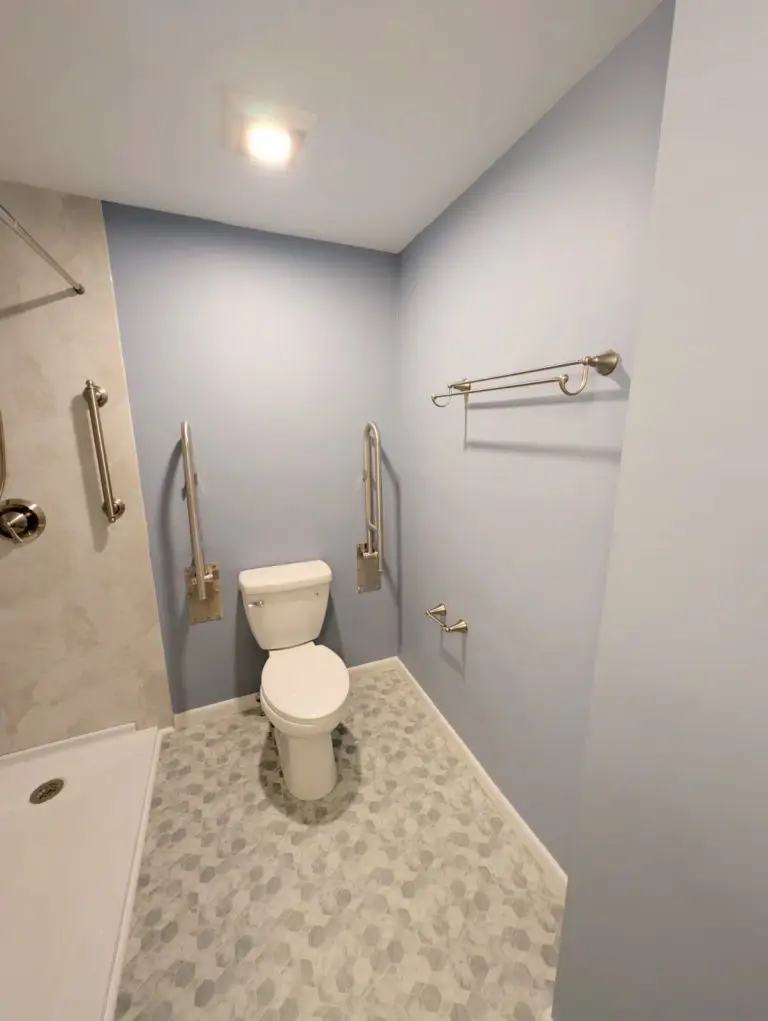
For walk-in showers, a two-bar system provides excellent safety. A vertical grab bar installed just inside the entrance gives you a stable handhold as you step over the curb or threshold. Inside the shower, a long horizontal bar on the main wall offers continuous support while you wash. This common arrangement covers the two main risk points: entering the shower and moving around within it.
The best guide for height comes from the Americans with Disabilities Act (ADA), which recommends a height of 33 to 36 inches from the floor for horizontal bars. This is a fantastic, tested starting point for most adults, ensuring the bar is in a comfortable and useful position. Ultimately, the perfect spot is what feels most secure for you and your family, so don’t be afraid to hold the bar against the wall and test a few positions before you drill.

veryday Perks of a Handheld Sprayer
The sliding bar is fantastic for setting the perfect shower height, but the real game-changer in an adjustable shower head bar system is the handheld sprayer. Suddenly, tasks that were a struggle become simple. You can easily rinse shampoo from long hair, wash a squirming child without getting water in their eyes, or even give the dog a bath without soaking the entire room. This added flexibility is the main reason a shower slide bar with handheld sprayer is so popular with families and pet owners.
Beyond personal washing, the handheld unit becomes your secret weapon for a cleaner bathroom. Think about rinsing your shower walls after scrubbing them; a sprayer turns this into a quick, satisfying job instead of a chore involving buckets or cups. You can easily blast away cleaning products and grime from every corner of your tub or shower stall in seconds, dramatically cutting down your cleaning time.
Of course, a great sprayer is only as good as its hose. For the best shower bar experience, look for a flexible, kink-free hose that’s at least 60 inches (5 feet) long. This length ensures you can comfortably reach anywhere you need to, from your own feet to the far corners of the tub. A short, stiff hose can make all those wonderful benefits feel frustratingly out of reach. Just as the hose material affects function, the finish of the entire system affects both its style and durability.
Choosing a Finish: How to Match Your Style and Beat Rust
Finishes like gleaming chrome or modern matte black are what you see first, and they play a big role in your bathroom’s overall look. The choice between a matte black vs chrome shower finish often comes down to personal taste and coordinating with your other fixtures. For a cohesive design, try to match the new shower bar to your existing sink faucet and towel holders. This simple step makes the upgrade feel intentional and high-end, rather than an afterthought.
However, a finish is only half the story when it comes to durability. Think of it as a beautiful coat of paint on a car; what truly matters for longevity is the metal underneath that prevents rust from forming. The best material for a rust-proof shower bar is either solid brass or high-quality stainless steel (often listed as 304-grade). Cheaper systems might use plated zinc or even plastic, which can start to corrode, bubble, or peel over time in a humid shower environment.
While you’re choosing a finish you love, take a quick look at the product description for “solid brass” or “stainless steel” construction. Some finishes even add functional benefits; for example, a bar with a textured surface can create a non-slip textured grip shower bar, making the slider easier to adjust with wet hands. This focus on a solid core is important, because the physical sturdiness of the bar itself is just as critical as its resistance to rust.
Why Bar Diameter and Weight Capacity Aren’t Just Numbers
Beyond the finish, the physical dimensions of the bar itself play a crucial role in safety and comfort. When you’re choosing the right shower bar diameter, you’ll find most are between 1.25 and 1.5 inches thick. This isn’t an arbitrary measurement; it aligns with ADA compliant grab bar requirements. This specific size is expertly designed to allow most adults to get a full, firm hand grip, which is essential if the bar is ever needed for balance or support. A bar that’s too thin or thick can be difficult to hold securely, especially in a slippery shower.
A bar’s strength is meaningless, however, if it isn’t anchored correctly to your wall. The real answer to “how much weight can a shower bar hold?” depends entirely on the installation. For maximum strength, the bar must be screwed directly into the wall’s internal wood supports, called studs. Attaching it only to drywall means it could easily be pulled out under pressure. While special wall anchor types for hollow walls do exist, ensuring a grab bar is safely installed is often a job for a professional if you can’t anchor it to a stud.
For an extra layer of confidence, consider a bar with a textured or “peened” surface. This subtle, patterned finish provides additional friction, ensuring your hand won’t slip even when it’s wet and soapy. This combination—a proper diameter for your hand, secure mounting into studs, and a textured surface for grip—is what transforms a simple shower accessory into a truly reliable safety feature.

Your 5-Point Checklist for the Perfect Shower Bar
You’re now equipped to make a confident choice. Use this simple checklist to ensure the shower bar you select is the perfect fit for your home.
Your Shower Bar Checklist
- 1. The Main Goal: Is this for safety (Grab Bar) or convenience (Slide Bar)?
- 2. The Installation Plan: Can I use a temporary suction cup, or do I need a permanent screw-in bar?
- 3. The ‘Must-Have’ Features: Do I need a handheld sprayer for cleaning and kids?
- 4. The Right Look: What finish (Chrome, Black) and material (Stainless Steel) match my bathroom and will last?
- 5. The Perfect Placement: Where will the bar be most helpful in my tub or shower?
By answering these key questions, you’re no longer just guessing. You are actively designing a better daily routine—one that’s safer for your family, more convenient for your life, and brings a touch of personalized comfort into your home every single day.
Frequently Asked Questions About Shower Bars
Q1. What’s the difference between a shower bar and a grab bar?
A shower bar (or shower rail) is usually designed to hold a hand shower at different heights and is not always weight‑bearing. A grab bar or shower safety bar is specifically engineered to support body weight and prevent slips and falls. If you need support for balance or mobility, choose a properly rated grab bar, not just a decorative shower bar.
Q2. How do I know which grab bar weight rating I need?
Most bathroom grab bars for home use are rated to support at least 250–300 pounds when installed correctly into wall studs or with proper anchors. For seniors, people with disabilities, or anyone with higher fall risk, look for ADA-compliant handicap grab bars rated for 300–500 pounds and follow the manufacturer’s installation instructions closely.
Q3. Where should I install grab bars in the shower or tub?
Common placements include: a horizontal grab bar on the back wall for standing support, a vertical or angled bar near the shower entry for stepping in and out, and a tub grab bar or bathtub handle bar on the wall or rim near the faucet end for bathers using a tub. The exact positions depend on the user’s height, reach, and whether they sit on a shower seat or stand while bathing.
Q4. Can I install shower grab bars myself, or do I need a professional?
Confident DIYers can install grab bars for showers themselves if they can locate studs, drill tile safely, and use the correct anchors. However, for bathroom grab bars for elderly users or anyone with balance issues, hiring a professional (contractor, handyman, or occupational therapist–recommended installer) is often safer to ensure the bars are properly secured.
Q5. Are suction‑cup grab bars safe to use?
Suction‑cup safety bars can offer temporary support for light balance but are not considered a substitute for permanently mounted handicap handrails for bathrooms. They can lose suction over time or on textured tile. For primary fall protection—especially for seniors and people with disabilities—use permanently installed grab rails anchored to the wall.
Q6. Can grab bars still look modern and decorative?
Yes. Many manufacturers offer modern grab bars for showers and tubs that look like sleek towel bars or decorative grab rails. You can choose finishes like brushed nickel, matte black, or chrome and styles that match your faucet and bathroom rail hardware, so you get both safety and a cohesive design.
Q7. What size and shape grab bar should I choose?
Most adults are comfortable with a bar diameter between 1 ¼” and 1 ½”, which is easy to grip. For length, shorter bars (12″–18″) work well near entries, while longer bars (24″–36″+) are ideal along the shower or bath tub wall. Straight bars are most common, but angled and L‑shaped tub safety grab bars can provide better support for sitting and standing movements.