Benefits of Installing a Walk-In Tub
For anyone with stiff knees or balance concerns, the high, slippery wall of a traditional bathtub can feel like a major obstacle. The most important innovation in a walk-in tub is designed to eliminate that risk with a low-step threshold so that instead of a difficult 18-inch climb, you manage a small step, similar to a single stair. Safe and simple!
Once you’re safely inside, the challenge of lowering yourself to the tub floor is gone. These accessible bathtubs feature a comfortable, chair-height built-in seat, a solution for mobility issues that transforms the experience. You simply pivot and sit down securely, removing the strain and risk of getting up from a low, wet surface.
This secure, seated position also brings all the controls within easy reach: faucets and therapy jets are strategically placed so you never have to stretch, lean, or stand to adjust them, giving you complete independence.
Summary
Walk-in tubs enhance safety and independence with a low-step threshold, a built-in seat, and easy-to-reach controls. Many models add therapeutic comfort through hydrotherapy or air jets and an inline heater to keep water warm. They typically fit standard tub spaces, offer compact options, and can be installed quickly by professionals. Costs vary by features and brand (usually including installation); compare against walk-in showers and use the provided questions to evaluate providers.

How Therapeutic Features Soothe and Relax
While the main draw of a walk-in tub is safety, many people wonder if bathing tubs with doors are worth it for comfort alone, and the answer often lies in their spa-like features. They transform a simple bath into a truly therapeutic experience, helping you relax and ease aches and pains.
Most tubs offer a choice between two different jet systems, each providing a unique sensation. This is one of the key therapeutic soaking tub advantages you can customize.
- Hydrotherapy Jets: Use powerful water streams to deliver a deep, targeted massage, ideal for soothing sore muscles and stiff joints.
- Air Jets (Aerotherapy): Release thousands of tiny, heated air bubbles for a gentle, all-over fizzing sensation that’s perfect for sensitive skin.
Finally, to ensure your long soak stays perfectly warm, many models include an inline heater. This feature gently recirculates the water, maintaining a consistent, comfortable temperature from the moment you sit down until you’re ready to get out. You’ll never have to cut a relaxing bath short because of cooling water again.
Will a Walk-In Tub Fit in My Bathroom?
After deciding on features, the next big question is often a practical one: will it fit? You might be surprised to learn that most walk-in tubs are built to the same size as traditional bathtubs, or smaller. They are designed to slide right into the space your old tub occupied, simplifying any aging in place bathroom modifications you have in mind. This standard footprint means that in many cases, a major bathroom overhaul isn’t necessary.
Even for tighter quarters, like a powder room or a bathroom with just a shower stall, there are solutions. Manufacturers offer compact tubs for small bathrooms that provide all the essential safety features in a smaller, space-saving design. This ensures that you don’t have to sacrifice security, even if you’re working with limited square footage.
A professional step-in tub installation is also less disruptive than you might think. In just a day or two, a team can remove your old fixture, place and connect the new tub, and install a new wall surround for a clean, finished look. This streamlined process avoids a messy, weeks-long renovation, getting you back to using your bathroom safely and quickly.
What Is the Real Cost of a Walk-In Tub—And Is It Worth It?
A basic walk-in model, known as a soaker tub, provides the essential safety features like a low-entry door and built-in seat. This simple, secure option establishes the starting point for pricing, offering a safe bathing experience without extra therapeutic features.
The final price tag is driven by your choices. Adding features like hydrotherapy jets or choosing a premium brand (think Kohler vs. American Standard) will increase the cost. It’s about balancing your budget with the features that you will value most for your own comfort and well-being.
Remember that a key part of how much do safe step tubs cost is the professional installation, which is almost always included. The fee covers removing your old tub, fitting the new one, and ensuring all plumbing is perfect, simplifying the entire process from start to finish.
For many, the investment is worthwhile, paying for itself daily through greater safety, independence, and peace of mind. To make this goal more manageable, always ask about financing an accessible bathtub, as most reputable companies offer payment plans.
Walk-In Shower vs. Walk-In Tub: Which Is Right for You?
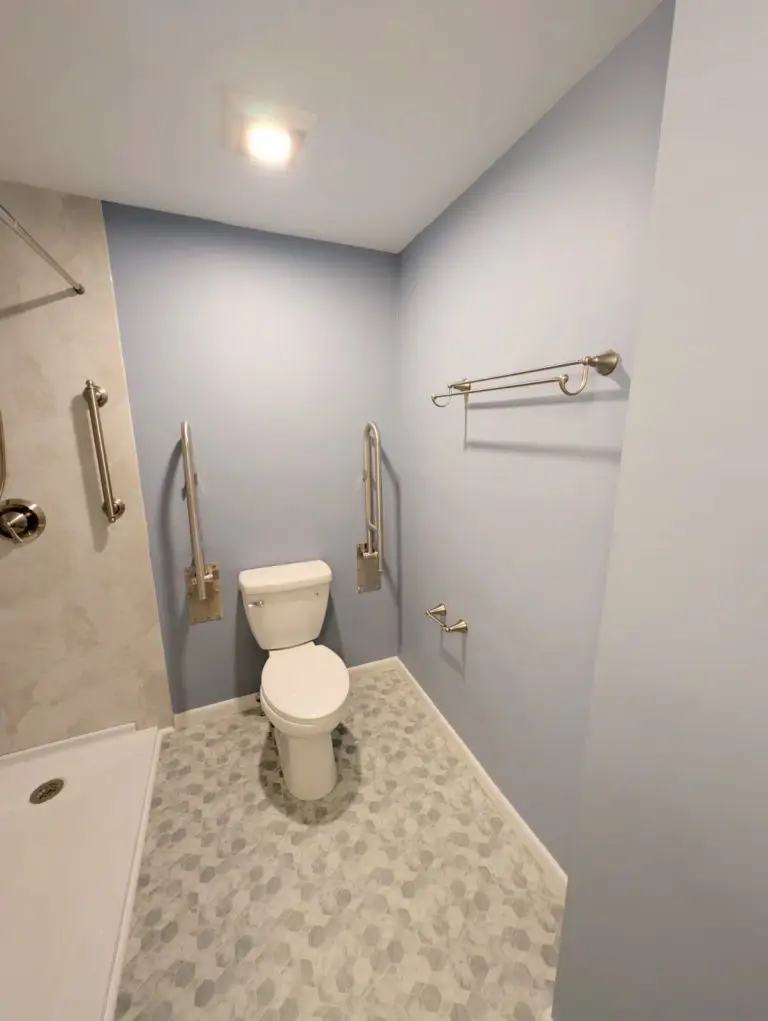
While a walk-in tub is a fantastic safety solution, it’s not the only option available. Many people also consider a barrier-free shower, which is a walk-in shower designed with no curb or step to cross. This design allows you to walk directly into the bathing space, offering the highest level of accessibility. Deciding between the two depends entirely on your personal needs and bathing preferences.
The fundamental difference lies in how you want to bathe. A walk-in tub is for those who enjoy a long, relaxing soak, using the warm water for therapeutic benefits. In contrast, a walk-in shower is built for efficient washing and is often the best choice for those with significant mobility issues, including those who use a wheelchair.
To make the choice clearer, consider this simple guide:
- Choose a Walk-In Tub if: You love to soak for pain relief or relaxation.
- Choose a Walk-In Shower if: You prefer quick, efficient bathing or need wheelchair access.

Your Next Step to a Safer Bathing Experience
Understanding the features that ensure safety, independence, and comfort is the key to choosing the right walk-in tub. To help you find a solution that meets your needs and complies with ADA requirements, use this checklist when speaking with a provider.
4 Questions to Ask a Walk-In Tub Provider:
- What safety certifications does the tub have?
- What is the warranty on the tub, door seal, and components?
- Is the installation performed by your own certified technicians?
- What is the tub’s drain time?
Your peace of mind is the most important feature of all.
Frequently Asked Questions (FAQs) About Walk-In Tubs
Q1: What are the main benefits of installing a walk-in tub?
A1: Walk-in tubs provide enhanced safety with a low-step threshold, a built-in seat for easier entry and exit, and easy-to-reach controls. They also offer therapeutic features such as hydrotherapy jets for muscle relaxation and improved independence for those with mobility issues.
Q2: How much space does a walk-in tub require in a bathroom?
A2: Most walk-in tubs are built to fit the standard size of traditional bathtubs, which means they can often be installed in the same space with minimal modifications. Compact models are also available for smaller bathrooms.
Q3: Are there any specific safety features in walk-in tubs?
A3: Yes, walk-in tubs typically include safety features such as a low-entry door, built-in grab bars, slip-resistant surfaces, and a comfortable, chair-height seat to prevent falls and enhance accessibility.
Q4: What is the cost of a walk-in tub, and is it worth the investment?
A4: The cost of a walk-in tub varies based on features and brand, generally starting with basic models and increasing with additional therapeutic options. Many find the investment worth it due to the increased safety, independence, and peace of mind it provides.
Q5: Can I convert my existing tub into a walk-in shower?
A5: Yes, you can convert a traditional tub to a walk-in shower. This process typically involves removing the old fixture and installing a new one designed for easy access. Consulting with a professional can ensure a seamless transition.