Bathroom Remodeler in West Chester PA
Thinking about remodeling your bathroom in West Chester? From setting a budget to finding a contractor you can trust, the process can feel overwhelming, especially with our area’s mix of historic and suburban homes. This guide provides a clear roadmap for your project. We’ll cover how to set a realistic budget, understand the renovation process, and hire the trusted bathroom remodeler in West Chester, PA. You’ll gain the confidence to approach the best local companies, get accurate quotes, and finally transform that outdated space into a room you truly love.

Summary
With this guide we walk West Chester homeowners through bathroom remodeling 101: realistic cost ranges, the 7-step renovation timeline, and when permits are required. It offers five essential questions to vet contractors, space-saving layout tips for older homes, and practical material comparisons (porcelain vs. LVP, walk-in showers). Use it to set a solid budget, request accurate quotes, and confidently choose a trusted local remodeler.
What’s the Real Cost of a Bathroom Remodel in West Chester, PA?
Understanding the average cost of a bathroom remodel in West Chester, PA, is the first step toward a successful project. While every bathroom is unique, costs are primarily shaped by three factors: material choices, labor complexity, and layout changes. For instance, opting for high-end materials like natural stone tile and custom cabinetry will cost more than standard porcelain and a pre-built vanity. Similarly, a project that keeps all the plumbing in place is far more straightforward—and less expensive—than one that involves moving a toilet or shower. The cost of a master bathroom expansion in Pennsylvania, for example, is higher precisely because of these significant layout and structural changes.
Projects typically fall into one of three budget tiers, which helps align your vision with a realistic financial plan.
- Basic Update ($7,000 – $15,000): A cosmetic refresh. This usually includes new paint, updated light fixtures and faucets, a new toilet, and reglazing a tub or replacing a vanity top without changing the cabinet.
- Mid-Range Remodel ($16,000 – $35,000): The most common project. This involves a full demolition to the studs but keeps the existing layout. You get a new tub or shower, all new tile or surround, a new vanity, and new fixtures.
- High-End Renovation ($35,000+): A complete transformation. This includes everything in a mid-range remodel, plus structural changes like moving walls, relocating plumbing, and adding premium features like heated floors, custom cabinetry, and high-end materials.
To make a dream project a reality, some homeowners explore financing options for a major home renovation. But knowing where you might land helps set expectations.
The 7 Steps of a Full Bathroom Gut Renovation
Understanding the timeline is as important as knowing the cost. A full gut renovation is more than a simple cosmetic update; it’s a carefully sequenced project that transforms your space from the ground up. A quality job takes several weeks, not days, because each step must be completed in the correct order to ensure lasting results. While every project has its nuances, the process generally follows this path:
- Design & Selection: Finalizing your layout, materials, and fixtures.
- Demolition: Safely removing everything down to the wall studs.
- Behind-the-Walls Work: Updating plumbing and electrical—the critical foundation.
- Drywall & Prep: Closing up the walls and preparing surfaces for a perfect finish.
- Shower & Flooring: This is where the new look emerges, with new floors or a beautiful walk-in shower installation—a popular choice across Chester County.
- Vanity & Fixtures: Installing the sink, toilet, lights, and mirrors.
- Finishing Touches: Painting, caulking, and a final professional cleaning.
This sequence is critical for quality! You can’t install beautiful new tile surround before ensuring the plumbing behind it is perfect, just as you can’t set a vanity before the floor is in. Following this process protects your investment and ensures your new bathroom is not only beautiful but also built to last.
Do You Need a Permit for Your West Chester Bathroom Remodel?
The answer to “do I need a permit for a bathroom remodel in PA?” depends entirely on your project’s scope. If you’re only making cosmetic updates like painting or replacing a faucet in the same spot, you typically don’t. However, the moment your renovation involves moving plumbing lines, altering drains, or changing electrical wiring, a building permit is required by your local borough or township to ensure the work is done safely and up to code.
While a permit might sound like red tape, it’s one of the best forms of protection for your investment. A permit triggers inspections from a local official who serves as an impartial expert, verifying that all the critical “behind-the-walls” work meets current safety codes. This step is crucial for protecting your family’s well-being and your home’s long-term value, preventing future issues that could arise from non-compliant work.
A professional, licensed bathroom contractor in Chester County will manage the entire permitting process for you, from submitting plans to scheduling the final inspection. This service provides peace of mind and is a key differentiator between a true professional and a less-qualified handyman.
How to Hire a Trustworthy Bathroom Contractor in Chester County
Choosing the right partner for your renovation is just as important as choosing the right tile: you’re trusting this team with your home and your investment. While online reviews are a starting point, learning how to hire a contractor requires asking specific, crucial questions. Ask potential contractors these key questions:
5 Must-Ask Questions for Any Contractor:
- What is your PA HIC registration number? (You can verify this online.)
- Can you provide a certificate of insurance (COI) that names me as an additional insured?
- Can I see a portfolio of recent, local projects you’ve completed?
- Who will be my main point of contact and on-site managing the project daily?
- How do you handle project changes or unexpected issues? (Look for a clear process for formal project updates.)
Asking these questions reveals a contractor’s commitment to transparency, communication, and professionalism. A confident, clear answer is a sign you’ve found a reliable partner, while an evasive one is a major red flag.
Smart Layout Ideas for Small Bathrooms in West Chester’s Older Homes
Many of West Chester’s charming older homes feature cozy bathrooms, but you don’t always need to knock down walls to make a space feel bigger: the best small bathroom layout ideas for old homes focus on reclaiming visual square footage and improving flow.
A simple yet powerful change is replacing a bulky, floor-bound vanity with either a slender pedestal sink or a modern floating vanity, which immediately makes the room feel less crowded. Likewise, when planning a walk-in shower installation in Chester County, consider a frameless glass panel instead of a shower curtain. This switch prevents the room from being visually cut in half, creating an incredible sense of depth. Using a large mirror is another classic trick for a reason—it can almost double the light and perceived size of the room. These strategies often deliver a spacious feel without the significant cost of a master bathroom expansion.

Choosing Your Key Materials: Flooring & Showers Explained
Once your layout is set, the next step is selecting the core materials that define your bathroom’s look and feel. For flooring, porcelain tile is a classic choice known for its durability; however, many homeowners are discovering Luxury Vinyl Plank (LVP), a modern alternative with a different set of benefits.
When weighing bathroom flooring pros and cons, think about your daily routine. Porcelain tile offers timeless beauty and is completely waterproof (except for the grout!). On the other hand, LVP provides a slightly softer and warmer feeling underfoot—a welcome feature on chilly mornings. It convincingly mimics the look of wood or stone and is also highly water-resistant, making it a fantastic and often cost-effective option for your remodel.
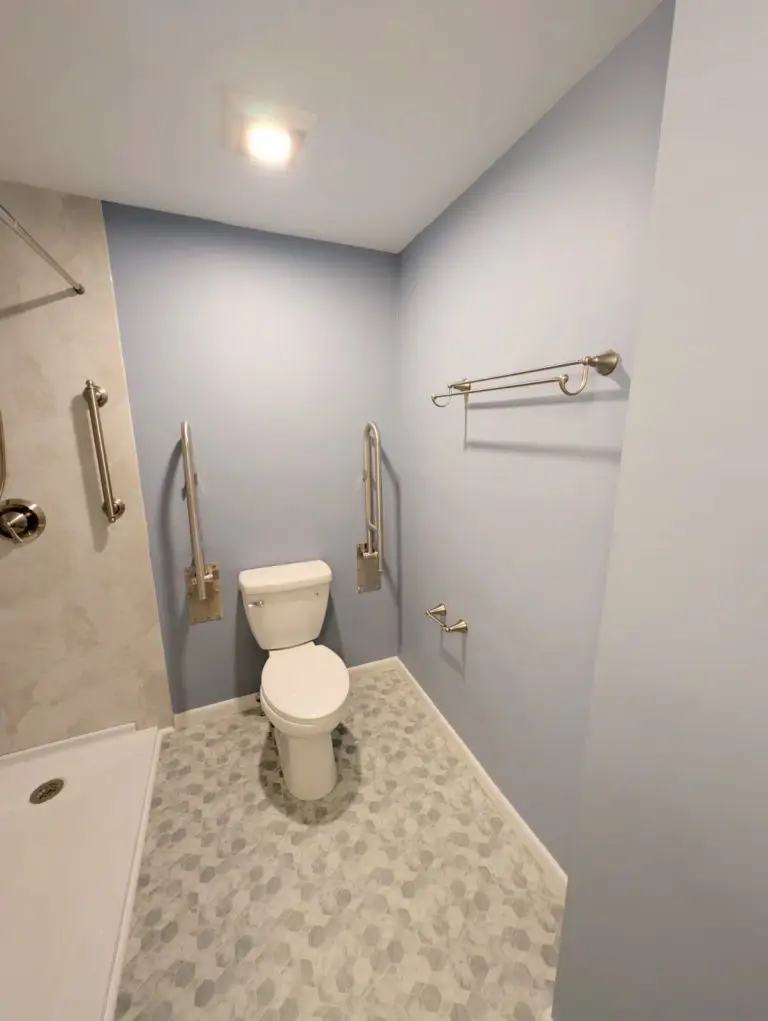
A walk-in shower installation is one of today’s top luxury bathroom design trends, largely because it’s incredibly functional. By eliminating the high tub wall, you not only create a safer, more accessible entry but also make the entire room feel more spacious. Modern materials like FIBO and large-format shower tiles are also designed to make your life easier with minimal upkeep and less grout to scrub.
Ready to Begin Your West Chester Bathroom Remodel?
With a clearer understanding of costs, timelines, and hiring practices, you are now equipped to move forward with confidence as you have the foundation to find a trustworthy bathroom remodeler in West Chester, PA, to begin a successful project.
The next step is to start a conversation. Give us a call or book your free appointment. Whether you need an accessible layout that is ADA-compliant or are dreaming of a spa-like retreat, your ideas and budget are the perfect starting point for a professional discussion. A simple, no-obligation chat is the best way to see what’s possible for your home and get free bathroom renovation quotes. It transforms your vision from a “someday” idea into an achievable plan.

Frequently Asked Questions (FAQ)
Q1: How long does a typical bathroom remodel take?
A: The duration of a bathroom remodel can vary based on the project’s complexity. A basic update may take 1-2 weeks, while a full gut renovation usually requires 4-6 weeks. It’s crucial to factor in time for design, permitting, and any unexpected delays.
Q2: Do I need to hire a licensed contractor for my bathroom remodel?
A: Yes, hiring a licensed contractor is highly recommended. A licensed professional ensures that all work complies with local building codes and safety regulations, providing you with peace of mind and quality assurance.
Q3: What are common mistakes to avoid during a bathroom remodel?
A: Common mistakes include not setting a realistic budget, neglecting to plan for storage, and failing to communicate clearly with your contractor. It’s also essential to consider lighting and ventilation, which can significantly impact your bathroom’s functionality and aesthetics.
Q4: Can I remodel my bathroom myself to save money?
A: While DIY can save money, bathroom remodels often involve plumbing and electrical work that require specialized knowledge and skills. For safety and compliance reasons, it’s generally better to hire professionals, especially for complex tasks.
Q5: What should I prioritize when remodeling my bathroom?
A: Focus on functionality, aesthetics, and long-term durability. Prioritize high-quality materials for fixtures, ensure proper lighting and ventilation, and consider how the layout meets your needs. Always keep your budget in mind while making these decisions.
Q6: How can I ensure my bathroom remodel adds value to my home?
A: To maximize your home’s resale value, stick to designs that appeal to a wide range of buyers, choose timeless materials, and ensure all work is done by qualified professionals. Focus on enhancing functionality and maintaining high standards in craftsmanship.